Posted date on Feb 26, 2026
Stretch marks are incredibly common—but spotting them for the first time can still catch you off guard. Whether they appear after weight changes, growth spurts, or hormonal shifts, it’s normal to wonder what’s happening to your skin.
The good news? Identifying stretch marks early gives you the best chance to reduce their appearance and stop them from spreading further.
In this blog, we’ll walk you through what early stretch marks look like, why they develop, and how you can care for your skin effectively.
What Are Stretch Marks?
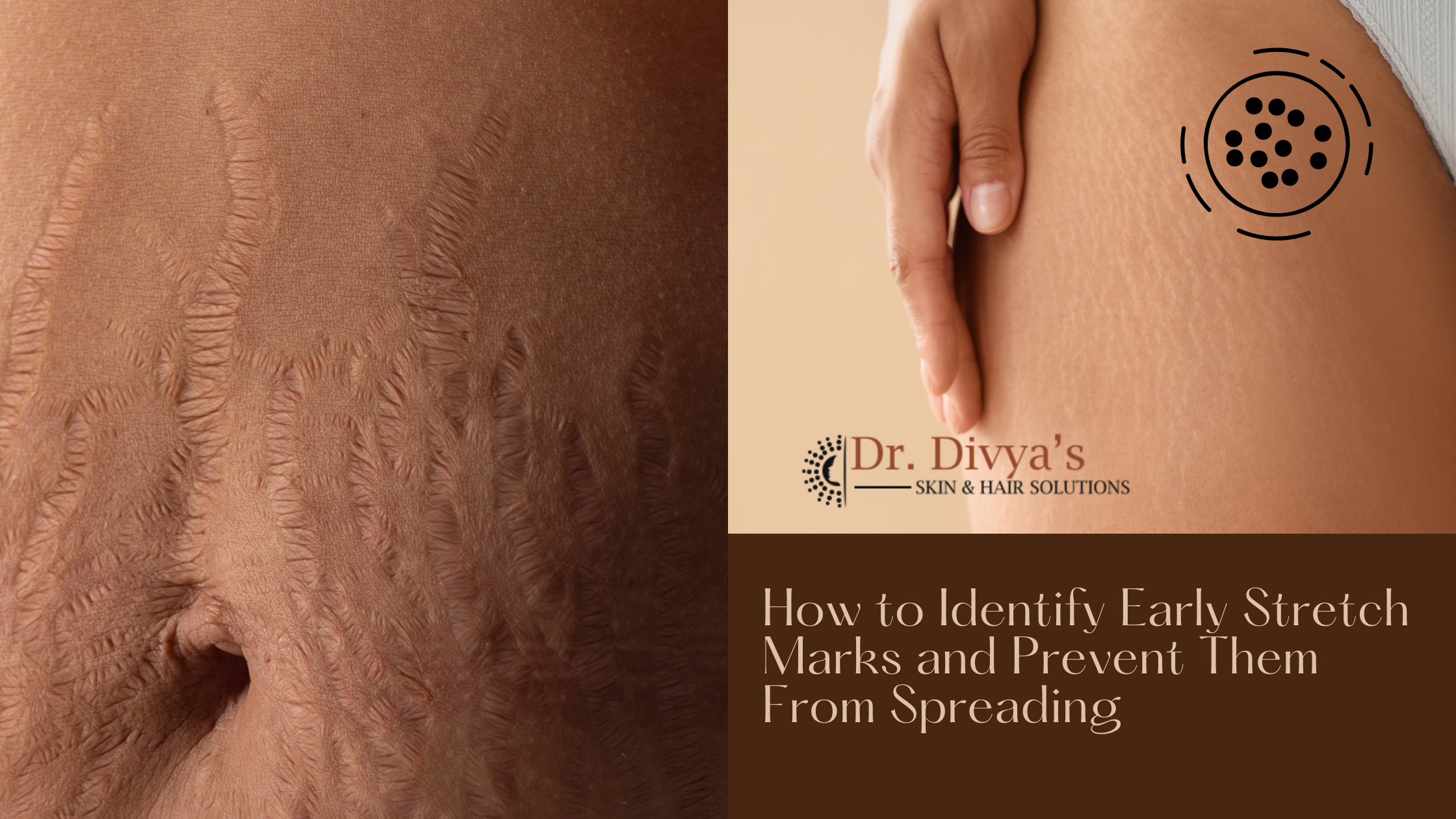
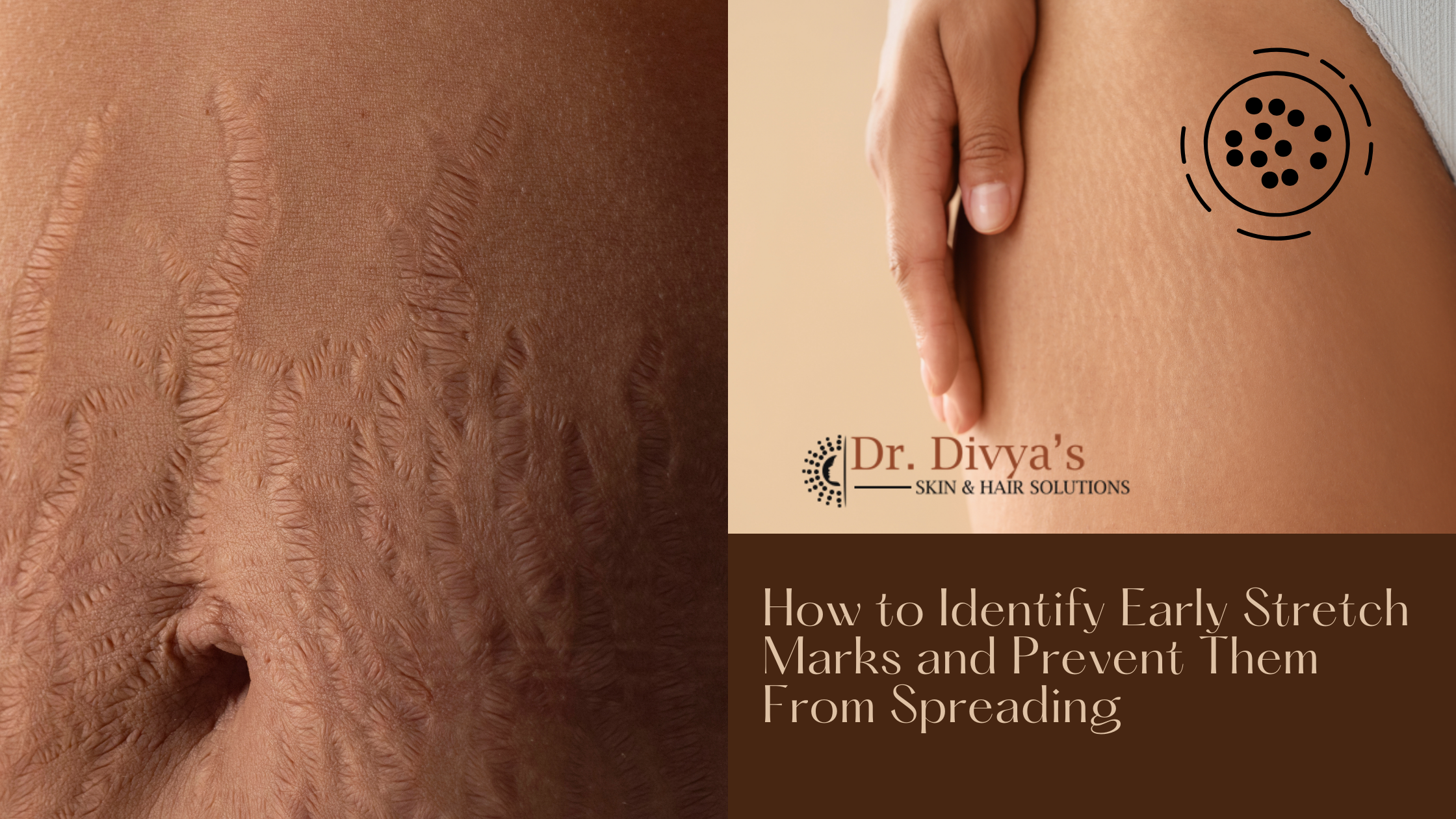
Stretch marks, medically known as striae, are visible lines or streaks that form when the skin stretches faster than it can adjust. This rapid stretching causes tiny tears in the deeper layers of the skin, which then show up on the surface.
They most commonly appear on the:
- Abdomen
- Thighs
- Hips
- Breasts
- Arms
- Lower back
Stretch marks are completely harmless, but many people choose to address them early for cosmetic and skin-health reasons.
How to Identify Early Stretch Marks
Early stretch marks look quite different from older, faded ones. Knowing the signs can help you act before they become more noticeable.
1. Noticeable Color Changes
In the early stage, stretch marks often appear as:
- Pink
- Red
- Purple
- Reddish-brown (depending on skin tone)
These colors indicate that the marks are new and more responsive to treatment.
2. Slight Itching or Raised Skin
Fresh stretch marks may feel itchy, sensitive, or slightly raised before they settle into the skin.
3. Thin Lines or Streaks
They usually begin as fine, narrow lines that follow the direction of skin stretching.
4. Changes in Skin Texture
The affected area may feel less smooth or slightly rippled compared to the surrounding skin.
Why Do Stretch Marks Form?
Stretch marks don’t appear for just one reason. They usually develop due to a mix of factors, such as:
- Rapid weight gain or weight loss
- Growth spurts
- Hormonal changes
- Muscle building
- Pregnancy
- Genetics
- Dry skin or reduced elasticity
When the skin loses elasticity, it becomes more vulnerable to stretching and tearing.
How to Prevent Early Stretch Marks From Spreading
While stretch marks can’t always be prevented completely, early and consistent care can slow their progression and improve how they look.
1. Keep Your Skin Deeply Hydrated
Well-moisturized skin is more flexible and resilient. Look for products containing:
- Hyaluronic acid
- Shea butter
- Cocoa butter
- Almond or coconut oil
Apply regularly, especially after showering.
2. Maintain a Stable, Healthy Weight
Sudden changes in weight place extra stress on the skin. Gradual, balanced changes help reduce excessive stretching.
3. Drink Enough Water
Hydration supports skin elasticity from within and helps maintain overall skin health.
4. Support Skin With Proper Nutrition
A diet rich in:
- Vitamin C
- Vitamin E
- Zinc
- Protein
helps promote collagen production and skin repair.
5. Avoid Excessive Scratching
Scratching itchy skin can worsen irritation and damage. Use soothing moisturizers to calm the area instead.
When Is the Right Time to Start Treatment?
The earlier, the better. Fresh stretch marks respond more effectively to:
- Topical treatments
- Dermatologist-recommended creams
- Professional procedures, if needed later
If stretch marks continue to spread or cause discomfort, consulting a dermatologist can help you explore the right options.
Can Stretch Marks Be Completely Prevented?
Not always. Genetics and hormones play a big role, and some stretch marks are unavoidable. That said, early care and consistent skin support can significantly reduce their visibility and prevent them from becoming more pronounced over time.
Conclusion
Stretch marks are a natural part of the body’s changes—but recognizing them early puts you in control. With gentle skincare, healthy habits, and timely treatment, you can slow their spread and support smoother-looking skin.
Your skin works hard to adapt—give it patience, nourishment, and a little extra care along the way
Get expert skin and hair care in Whitefield, Bangalore at Dr. Divya’s Skin & Hair Solutions. Treatments for acne, pigmentation, hair loss, and pediatric dermatology. Book now!
Frequently Asked Questions (FAQs)
1. What do early stretch marks look like?
Early stretch marks usually appear as pink, red, purple, or reddish-brown lines. They may feel slightly raised, itchy, or different in texture from the surrounding skin.
2. Can early stretch marks fade on their own?
Yes, early stretch marks often fade gradually over time, especially with proper skincare and hydration. While they may not disappear completely, they can become much less noticeable.
3. How long do stretch marks stay in the early stage?
The early stage typically lasts a few weeks to several months. During this time, the marks are more responsive to treatments and lifestyle changes.
4. Do moisturizers really help prevent stretch marks from spreading?
Moisturizers won’t remove stretch marks, but they help improve skin elasticity and reduce dryness, which can improve appearance.
5. When should I see a dermatologist for stretch marks?
You should consider seeing a dermatologist if stretch marks continue to spread, become very noticeable, or affect your confidence, or if over-the-counter treatments aren’t helping.