PRP Hair Treatment: Benefits & Procedure Explained
PRP Hair Treatment: Benefits & Procedure Explained
Read More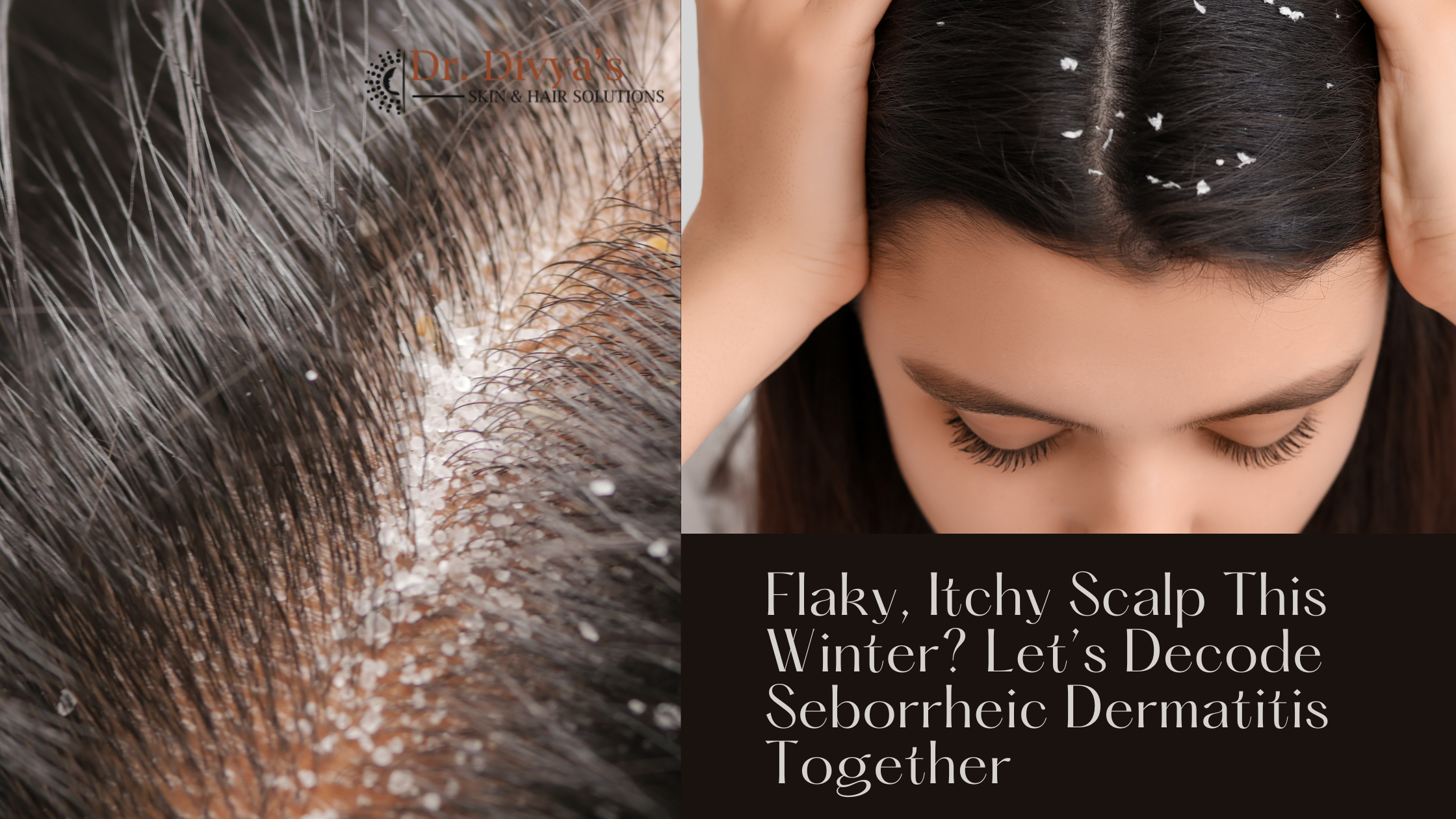
Winter brings cozy sweaters, warm drinks, and chilly mornings—but for many of us, it also brings an itchy, flaky scalp. If you’ve noticed white flakes on your shoulders, constant itching, or redness that just won’t settle down, you’re definitely not alone.
One common reason behind these winter scalp troubles is seborrheic dermatitis. Let’s talk about what it really is, why it loves winter so much, and what you can do to keep your scalp calm and comfortable.
Seborrheic dermatitis is a long-lasting inflammatory skin condition that usually shows up in areas where the skin produces more oil. The scalp is the most common place, but it doesn’t always stop there. You might also notice it around the:
It typically appears as white or yellowish flakes, along with redness and itching. When it’s on the scalp, we often call it dandruff—but seborrheic dermatitis tends to be more stubborn and uncomfortable than regular dandruff.
Why Does Seborrheic Dermatitis Act Up in Winter?
If your scalp behaves well most of the year but flares up in winter, there’s a reason. Cold weather creates the perfect conditions for irritation.
1. Dry Air Everywhere
Cold outdoor air and indoor heating pull moisture from your skin, leaving your scalp dry and more sensitive.
2. Less Sunlight
Sunlight naturally helps control certain yeast on the skin. Shorter days and less sun exposure can make symptoms worse.
3. Hats, Caps, and Beanies
As much as we love them, winter hats can trap sweat and oil, which may irritate an already sensitive scalp.
4. Seasonal Stress
Changes in routine, holiday stress, and less movement can all contribute to skin flare-ups.
Seborrheic dermatitis can show up in different ways, but some of the most common symptoms include:
If these symptoms stick around despite regular hair washing, seborrheic dermatitis could be the reason.
There isn’t one single cause, but experts believe it’s linked to a combination of factors, such as:
Overgrowth of Malassezia yeast, which naturally lives on the scalp
While seborrheic dermatitis doesn’t have a permanent cure, the good news is that it can be managed really well with the right care.
1. Choose the Right Shampoo
Medicated anti-dandruff shampoos can make a big difference. Look for ingredients like:
Use them as directed—using them too often can actually dry out your scalp.
2. Find the Right Washing Routine
Washing your hair 2–3 times a week works for most people. The goal is to keep your scalp clean without stripping away its natural oils.
3. Manage Everyday Stress
Stress can trigger flare-ups, so try to prioritize rest, stay hydrated, and give yourself time to unwind.
4. Talk to a Dermatologist
If symptoms don’t improve or keep coming back, a dermatologist can guide you toward stronger or more targeted treatments.
It’s a good idea to seek medical advice if:
A flaky, itchy scalp in winter isn’t something you have to “just live with.” Seborrheic dermatitis is common, manageable, and treatable when you understand what your scalp needs.
With gentle care, the right products, and a few lifestyle tweaks, you can keep your scalp healthy—even during the coldest months.
If your scalp had a voice, it would probably say: “Be kind to me—I need a little extra care this winter.”
“Get expert skin and hair care in Whitefield, Bangalore at Dr. Divya’s Skin & Hair Solutions. Treatments for acne, pigmentation, hair loss, and pediatric dermatology. Book now!
1. Is seborrheic dermatitis the same as dandruff?
They’re related, but not exactly the same. Dandruff is usually milder and limited to the scalp, while seborrheic dermatitis can cause redness, inflammation, and greasy flakes and may affect areas like the face and ears.
2. Can cold weather trigger seborrheic dermatitis?
Yes. Dry air, indoor heating, and reduced sunlight during winter can worsen scalp dryness and inflammation, leading to flare-ups.
3. Is seborrheic dermatitis contagious?
No, it isn’t contagious. It can’t spread from person to person and isn’t caused by poor hygiene.
4. How often should I wash my hair if I have seborrheic dermatitis?
Most people do well. Washing 2–3 times a week with a medicated anti-dandruff shampoo, though this can vary based on scalp type and severity.
5. Can seborrheic dermatitis cause hair loss?
It doesn’t directly cause hair loss, but persistent itching and inflammation can lead to temporary shedding if the scalp stays irritated for too long.
PRP Hair Treatment: Benefits & Procedure Explained
Read More
PRP Hair Treatment: Benefits & Procedure Explained
Read More
Effective Treatments for Hair Fall & Hair Thinning
Read More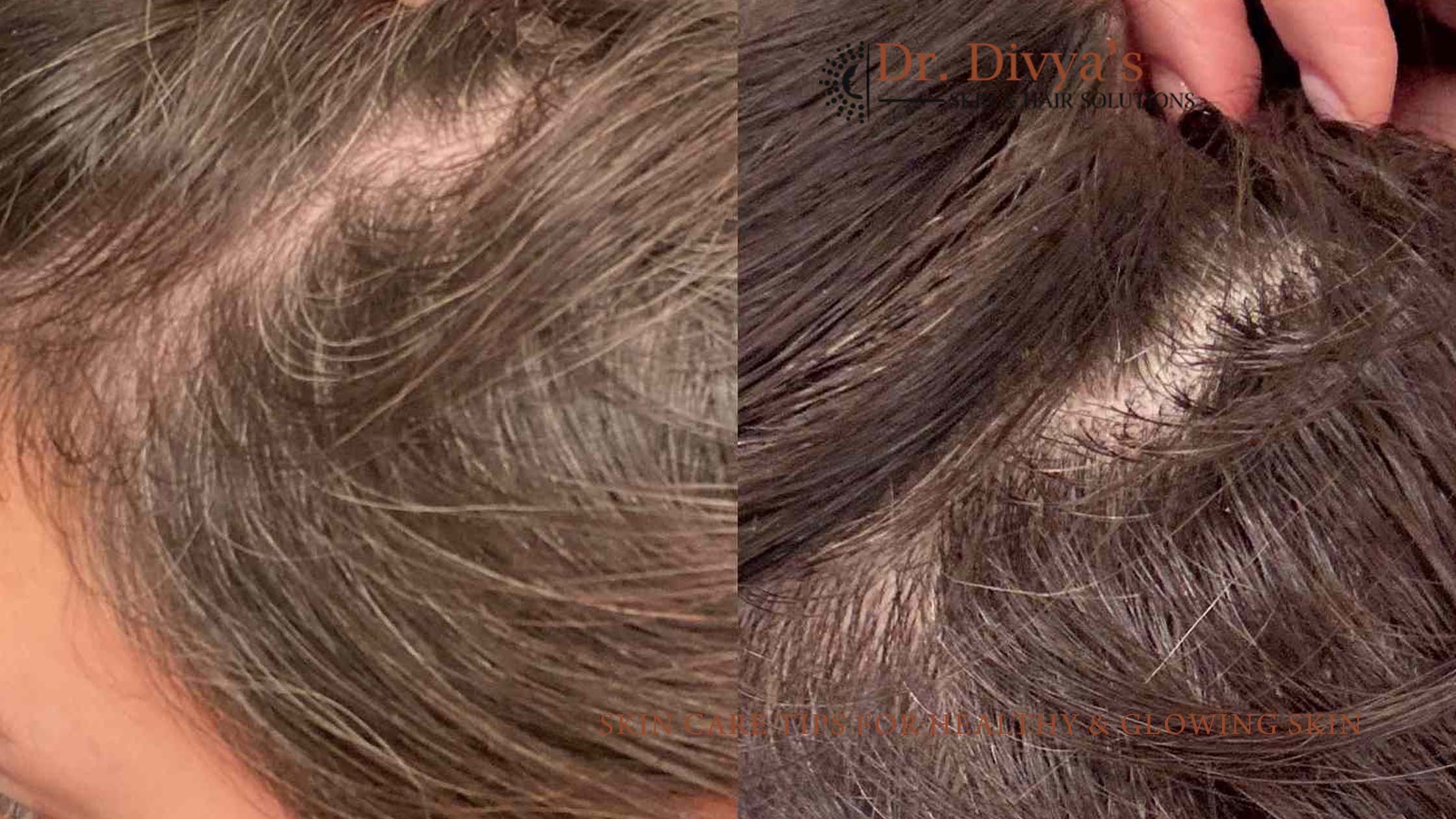
Anti-Aging Skin Care: Tips to Maintain Youthful Skin
Read More