PRP Hair Treatment: Benefits & Procedure Explained
PRP Hair Treatment: Benefits & Procedure Explained
Read More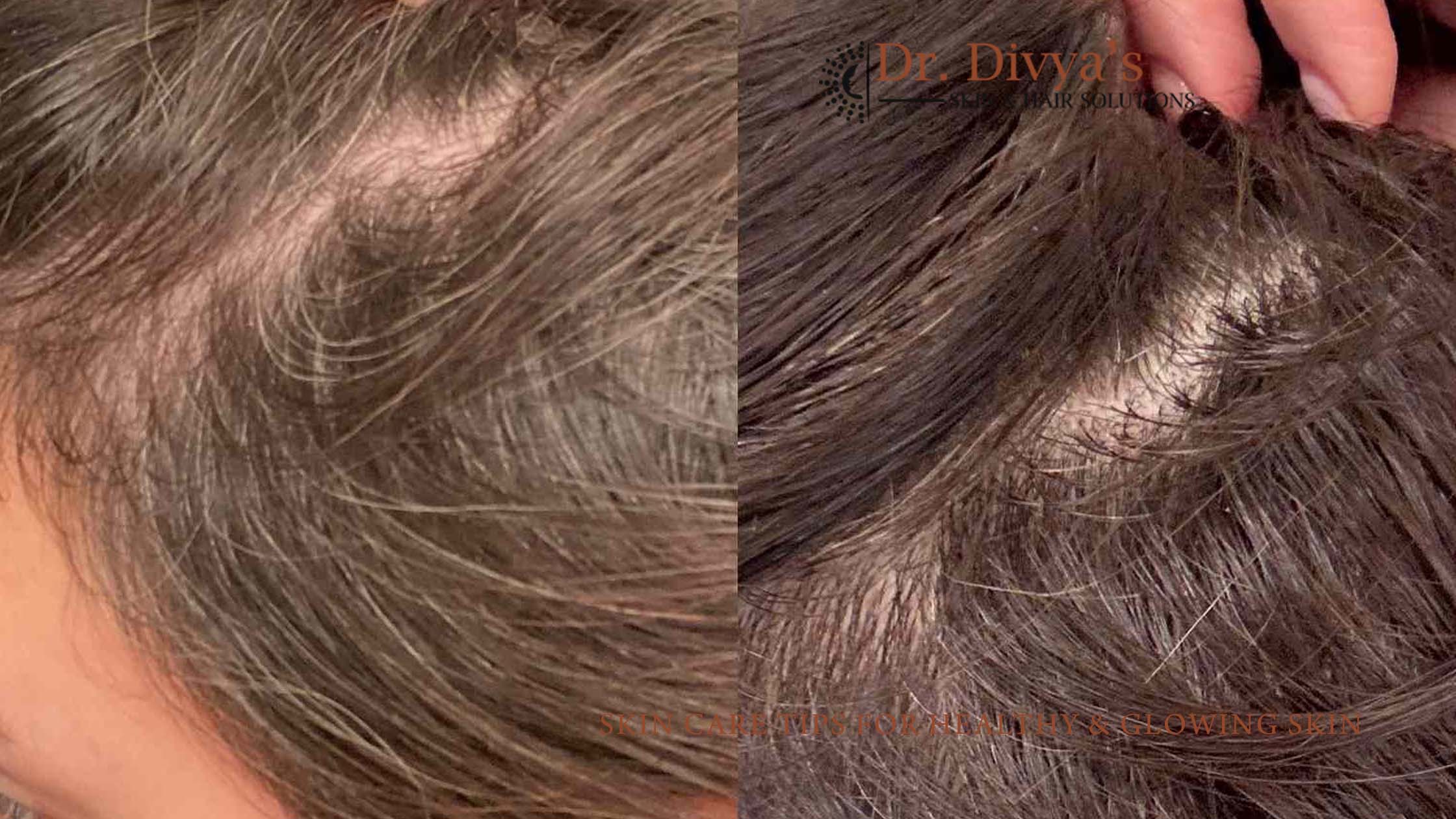
Hair loss is a common concern affecting millions of men and women worldwide. While losing a small amount of hair daily is a natural part of the hair growth cycle, excessive hair shedding or noticeable thinning can indicate an underlying problem. Hair loss can impact self-confidence and emotional well-being, making early diagnosis and treatment essential.
According to Dr. Divya Sharma, MBBS (Gold Medalist), MD (Skin), understanding the causes of hair loss is the first step toward effective prevention and treatment. With the right care and timely intervention, many forms of hair loss can be managed successfully.
Hair loss, medically known as alopecia, occurs when hair sheds faster than it grows back. It can affect the scalp or other parts of the body and may be temporary or permanent depending on the cause.
Common signs include:
Excessive hair shedding
Thinning hair
Receding hairline
Widening part line
Bald patches
Reduced hair volume
One of the most common causes of hair loss is genetics, also known as androgenetic alopecia.
Characteristics include:
Gradual thinning of hair
Receding hairline in men
Diffuse thinning in women
Family history of hair loss
Hormonal changes can significantly impact hair growth.
Common hormonal causes include:
Polycystic Ovary Syndrome (PCOS)
Pregnancy and postpartum changes
Menopause
Thyroid disorders
Hormonal medications
Hair follicles require essential nutrients for healthy growth.
Deficiencies in the following nutrients can contribute to hair loss:
Iron
Vitamin D
Vitamin B12
Zinc
Protein
Biotin
Physical or emotional stress can trigger a condition called telogen effluvium, leading to sudden hair shedding.
Stress-related triggers include:
Major illness
Surgery
Emotional trauma
Chronic stress
Significant weight loss
Unhealthy scalp conditions can affect hair growth.
Examples include:
Dandruff
Seborrheic dermatitis
Fungal infections
Psoriasis
Scalp inflammation
Frequent exposure to:
Hair coloring
Bleaching
Rebonding
Perming
Heat styling
can weaken hair shafts and increase breakage.
Certain illnesses and medications may contribute to hair loss.
Examples include:
Autoimmune disorders
Anemia
Diabetes
Certain blood pressure medications
Cancer treatments
A nutrient-rich diet supports healthy hair growth.
Include:
Eggs
Fish
Green leafy vegetables
Nuts and seeds
Fruits
Lean proteins
A balanced diet helps strengthen hair follicles and reduce hair shedding.
Stress management techniques can support healthier hair growth.
Helpful practices include:
Yoga
Meditation
Regular exercise
Deep breathing exercises
Adequate sleep
Healthy hair habits include:
Using mild shampoos
Avoiding harsh chemicals
Gentle towel drying
Limiting heat styling
Regular scalp cleansing
Environmental factors such as pollution and UV exposure can damage hair.
Protective measures include:
Wearing hats outdoors
Using protective hair products
Avoiding excessive sun exposure
Hairstyles that pull excessively on the hair can cause traction alopecia.
Avoid:
Tight ponytails
Tight braids
Excessive hair extensions
Persistent dandruff, itching, or scalp infections should be treated promptly to maintain a healthy environment for hair growth.
PRP therapy uses growth factors derived from the patient's blood to stimulate hair follicles and promote hair growth.
Benefits:
Improved hair density
Reduced hair fall
Enhanced follicle health
Non-surgical treatment
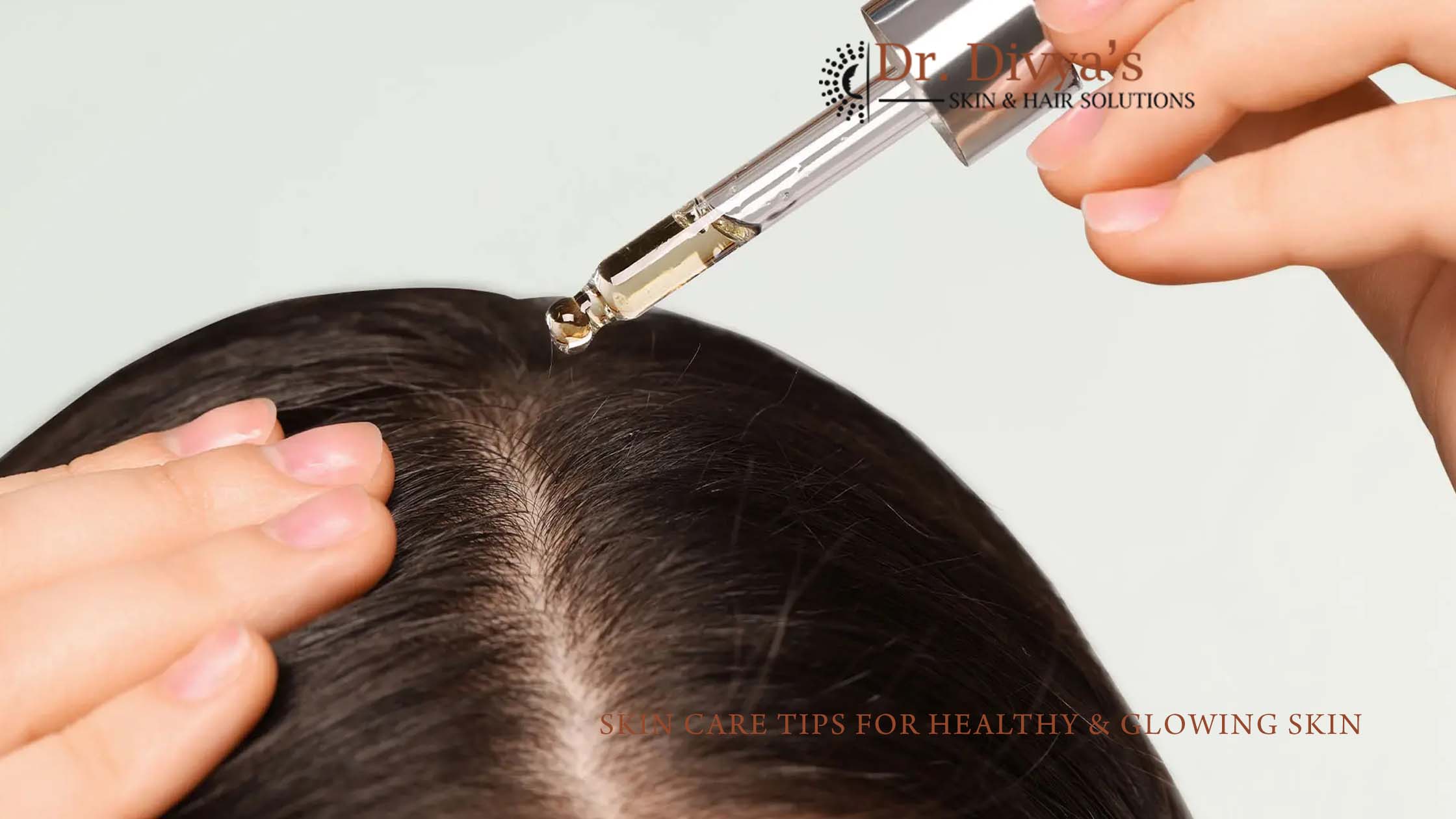
Mesotherapy delivers essential nutrients directly into the scalp to nourish hair follicles and support growth.
Dermatologist-prescribed medications may help:
Slow hair loss
Stimulate hair regrowth
Improve scalp health
Individualized treatment plans based on the cause of hair loss provide the best outcomes.
Seek professional help if you experience:
Sudden hair loss
Excessive daily shedding
Bald patches
Scalp irritation
Persistent dandruff
Hair thinning that continues despite home care
Early diagnosis often leads to more effective treatment and better long-term results.
Dr. Divya Sharma, MBBS (Gold Medalist), MD (Skin) is experienced in diagnosing and treating a wide range of hair and scalp disorders. She offers personalized treatment plans based on individual needs and utilizes advanced dermatological techniques to promote healthy hair growth and scalp wellness.
Her patient-focused approach helps identify the root cause of hair loss and provides effective, evidence-based solutions for lasting results.
Dr. Divya Sharma – Skin & Hair Specialist
???? #575, 2nd Floor, GTR Complex, AECS Layout, Marathahalli, Bengaluru, Karnataka
???? Appointment:
+91 9620638388
+91 8049565612
? Email: info@drdivyasharma.com
???? Website: www.drdivyasharma.com
PRP Hair Treatment: Benefits & Procedure Explained
Read More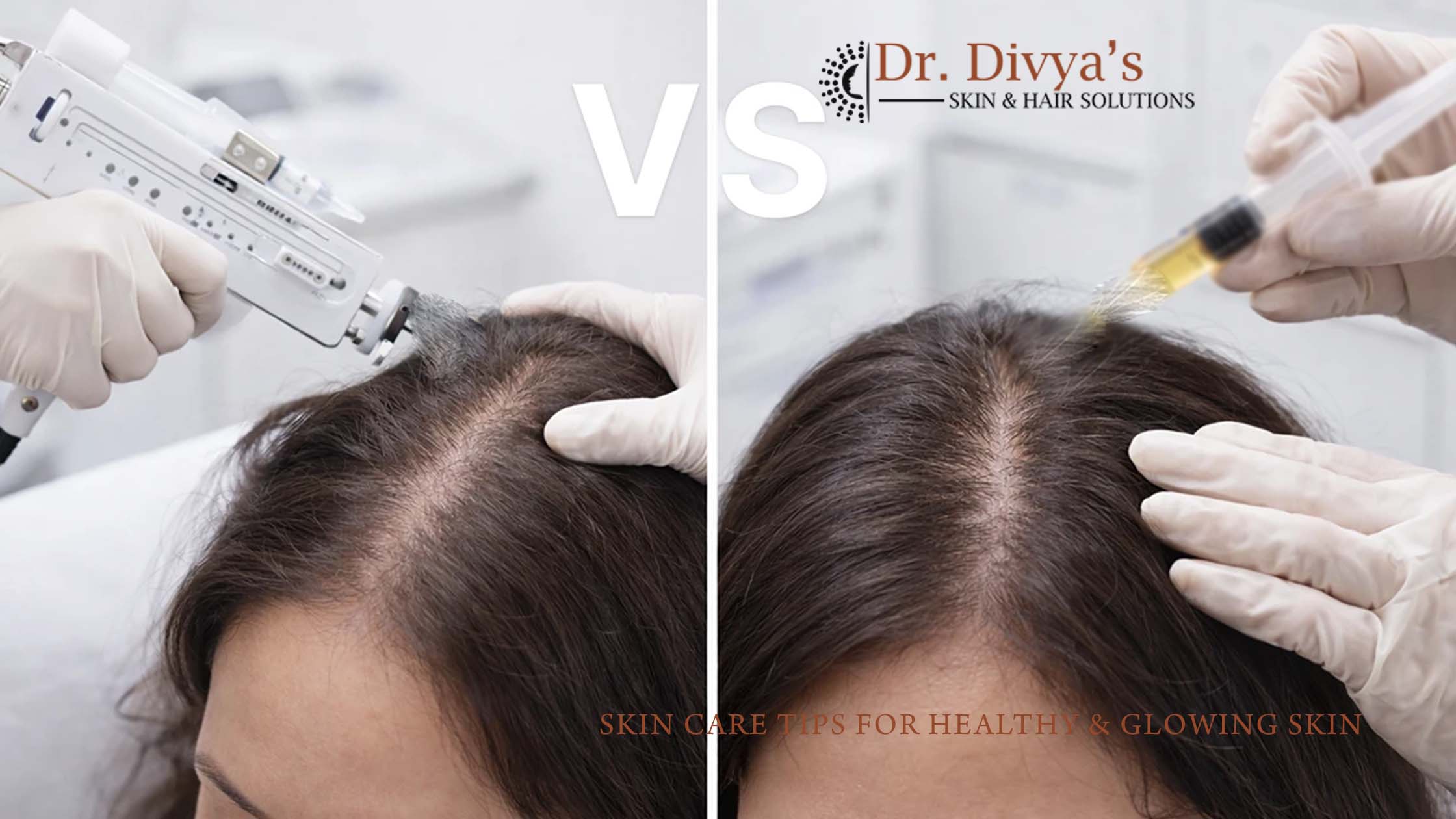
PRP Hair Treatment: Benefits & Procedure Explained
Read More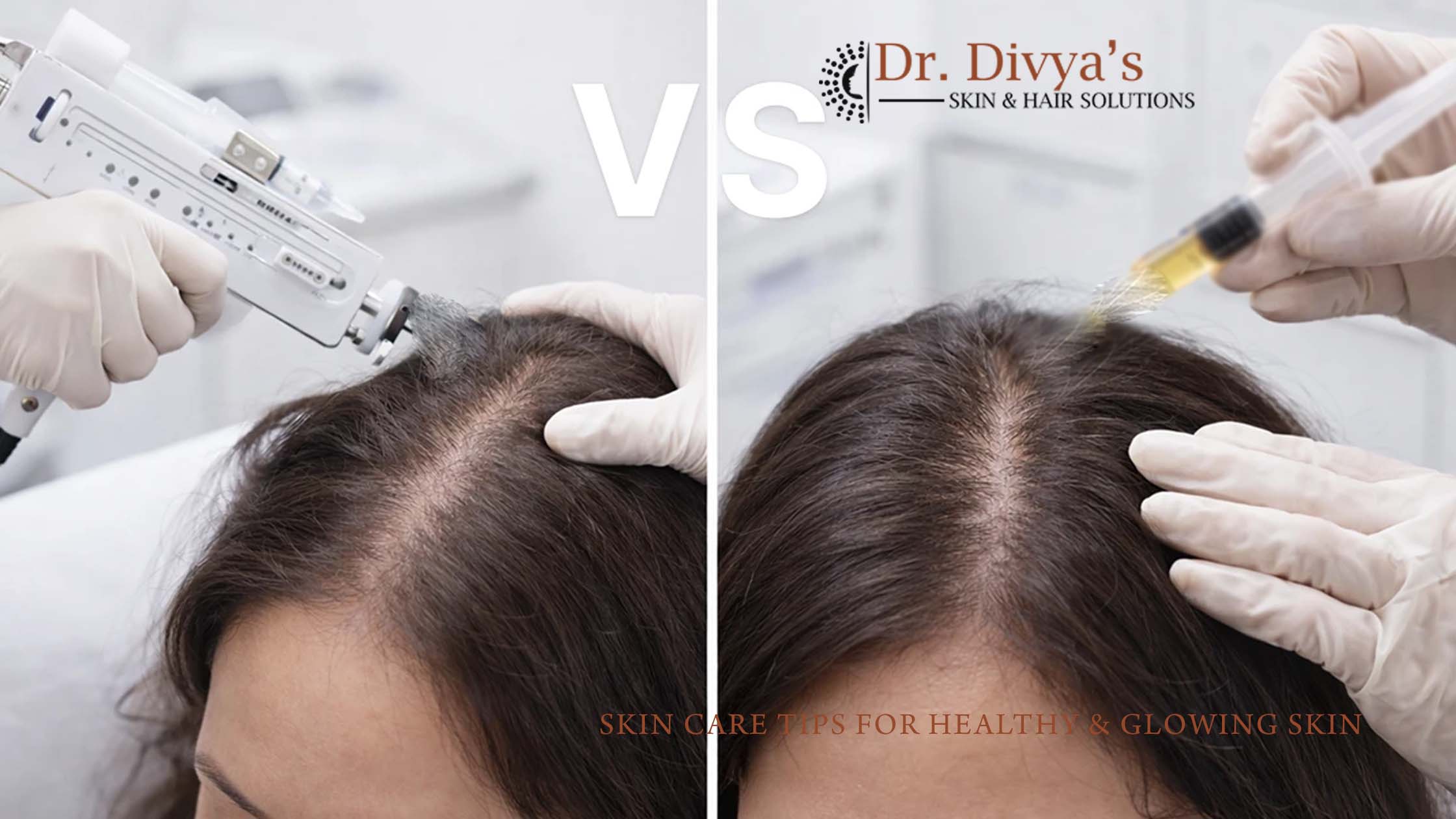
Effective Treatments for Hair Fall & Hair Thinning
Read More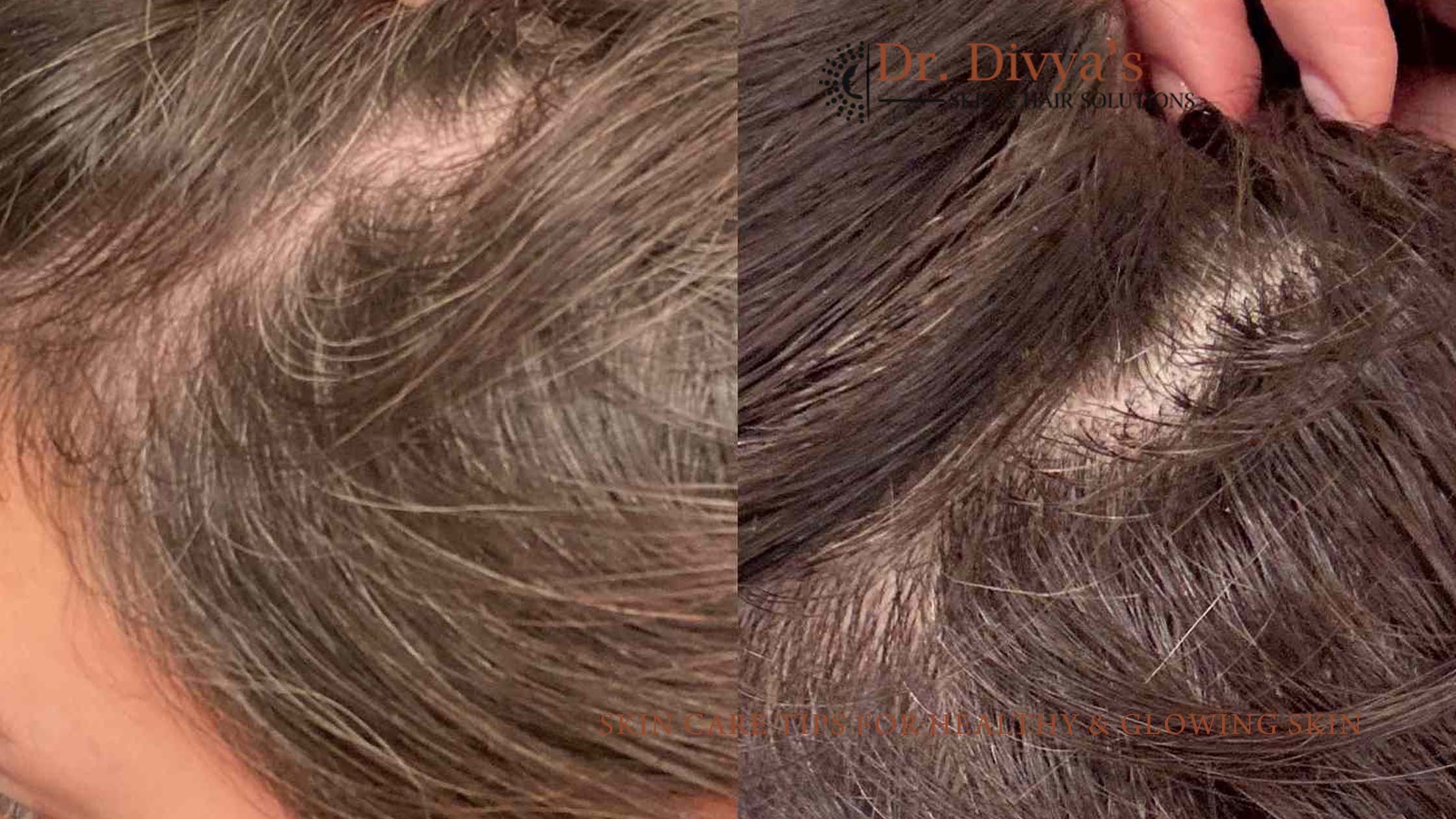
Anti-Aging Skin Care: Tips to Maintain Youthful Skin
Read More