Posted date on Oct 26, 2025
Acne scars often stick with us long after pimples fade, affecting how we feel about our skin and sometimes shaking our confidence. The good news? By understanding the different types of acne scars, what causes them, and the best ways to treat them, you can take meaningful steps toward smooth, glowing skin.
What Causes Acne Scars?
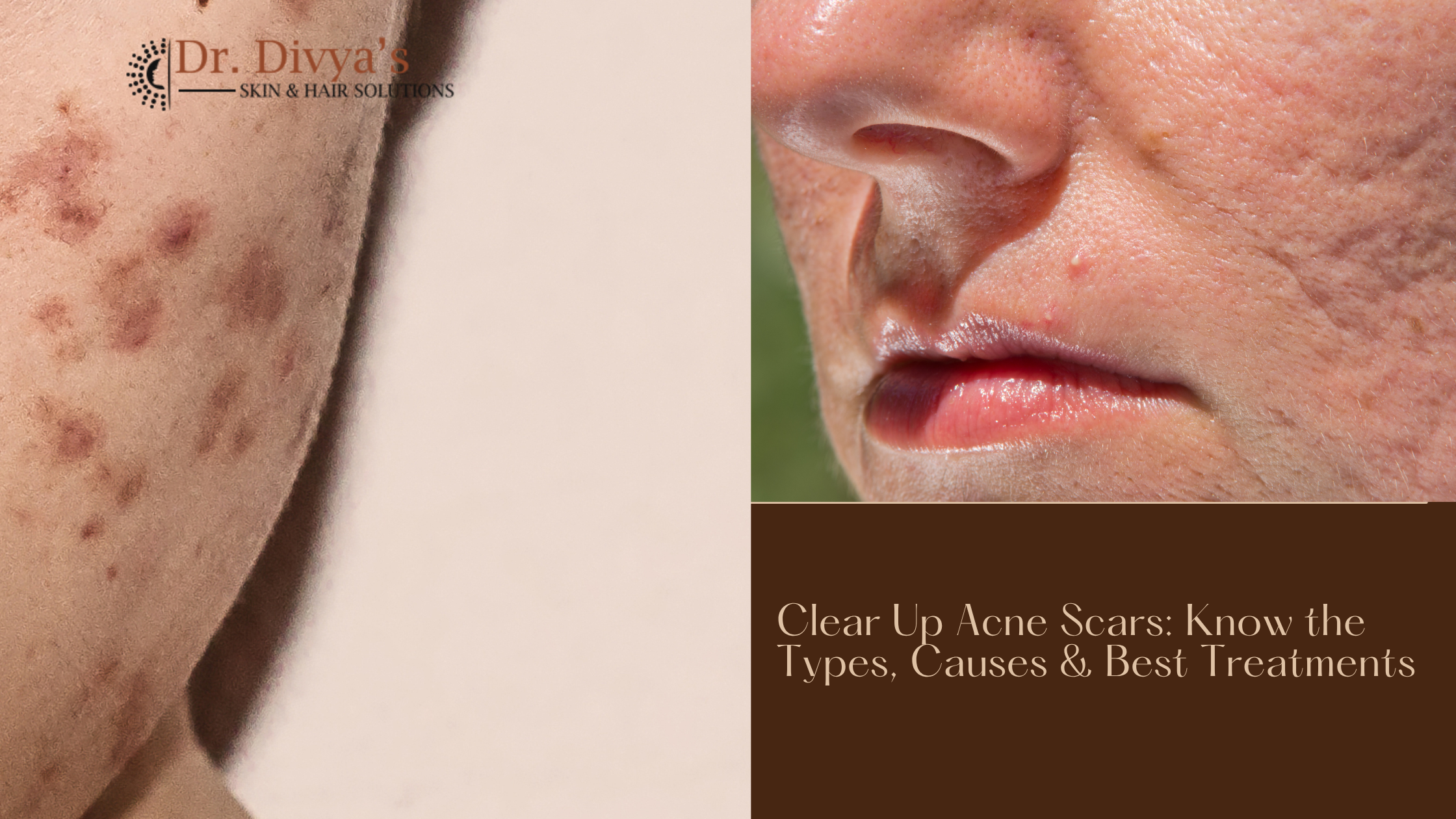
When a pimple or cyst heals, your skin naturally produces collagen to repair itself. But this process doesn’t always go perfectly. Sometimes, your body makes too little collagen, causing sunken scars, or too much collagen, leading to raised scars. Picking or squeezing acne can worsen the damage, increasing the chance of scarring.
Types of Acne Scars You Should Know
Acne scars mainly fall into two categories:
- Atrophic (Depressed) Scars: These appear as sunken or pitted areas, including:
- Icepick scars: Deep, narrow holes that look like tiny punctures—usually tricky to treat.
- Boxcar scars: Broader, round or oval depressions with sharp edges, typically on cheeks or jawline.
- Rolling scars: Wide, wave-like indentations that give uneven skin texture.
- Hypertrophic and Keloid Scars: Raised scars caused by excess collagen.
- Hypertrophic scars: Raised but stay within the original acne lesion boundaries.
- Keloid scars: Extend beyond the original acne area and can be stubborn and thick.
- There’s also post-inflammatory hyperpigmentation—dark spots left behind after acne, which aren’t true scars but can be just as frustrating.
Best Treatments for Acne Scars
Treatment varies by scar type and your skin’s unique needs. Dermatologists like Dr. Divya Sharma recommend:
- Microneedling: Creates tiny channels in the skin to boost collagen and improve scar depth and texture.
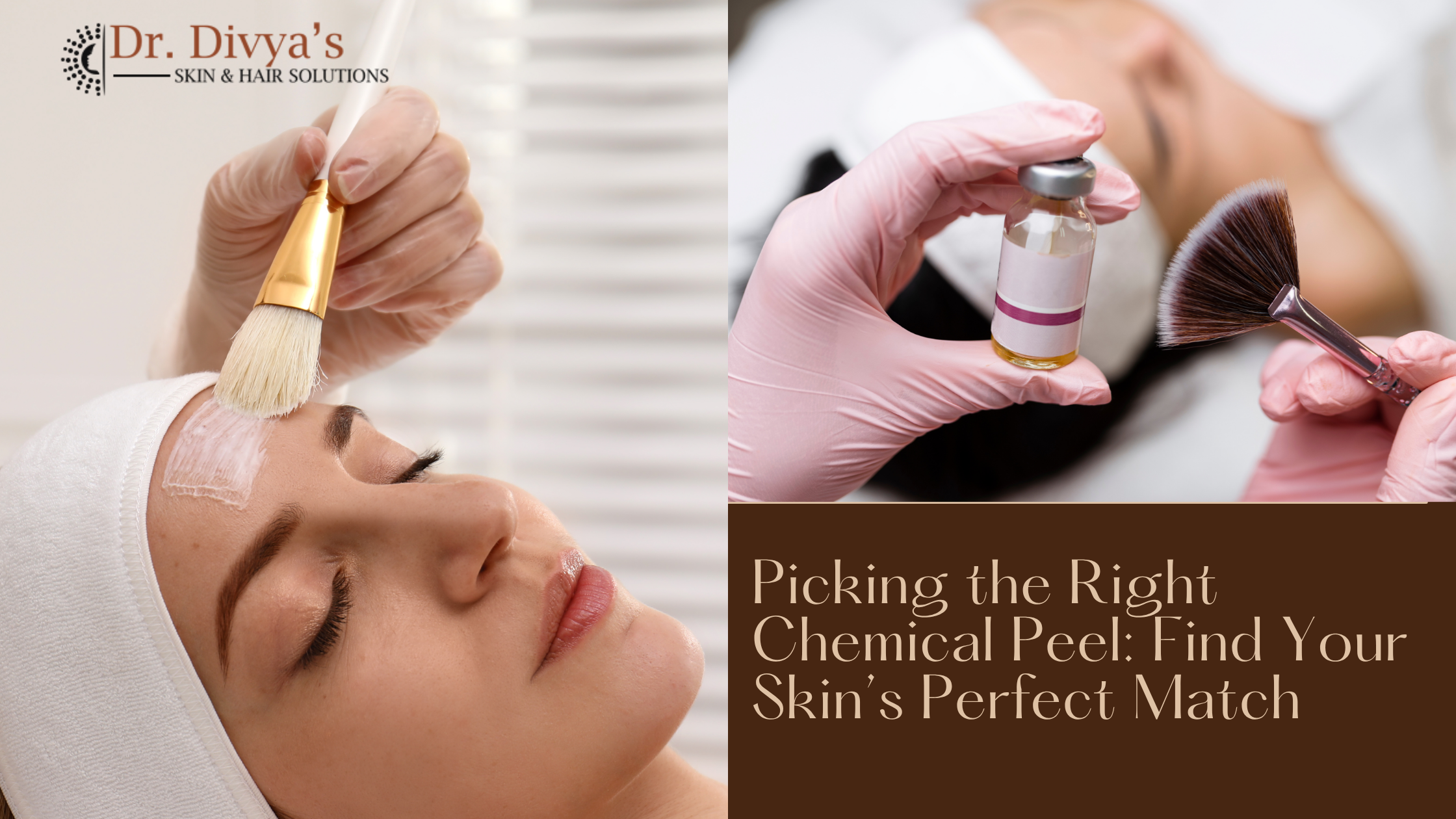
- Chemical Peels: Remove damaged outer skin layers to fade discoloration and smooth scars.
- Laser Therapy: Targets deeper scar tissue to encourage healthier skin growth.
- Subcision and Fillers: Lift and plump deep scars for a smoother surface.
- Topical Treatments: Prescription creams with retinoids or vitamin C promote ongoing skin repair.
Caring for Your Skin Through Treatment
Patience is key. Protect your skin daily with sunscreen, keep it well-moisturized, and follow your dermatologist’s advice closely. Avoid picking at scars or using harsh products that might irritate.
Conclusion
Acne scars can feel like a tough challenge, but with modern dermatology and personalized care from experts like Dr. Divya Sharma, you can significantly improve your skin’s texture and tone. Remember, glowing, confident skin is within reach for everyone.