Posted date on Jun 07, 2025
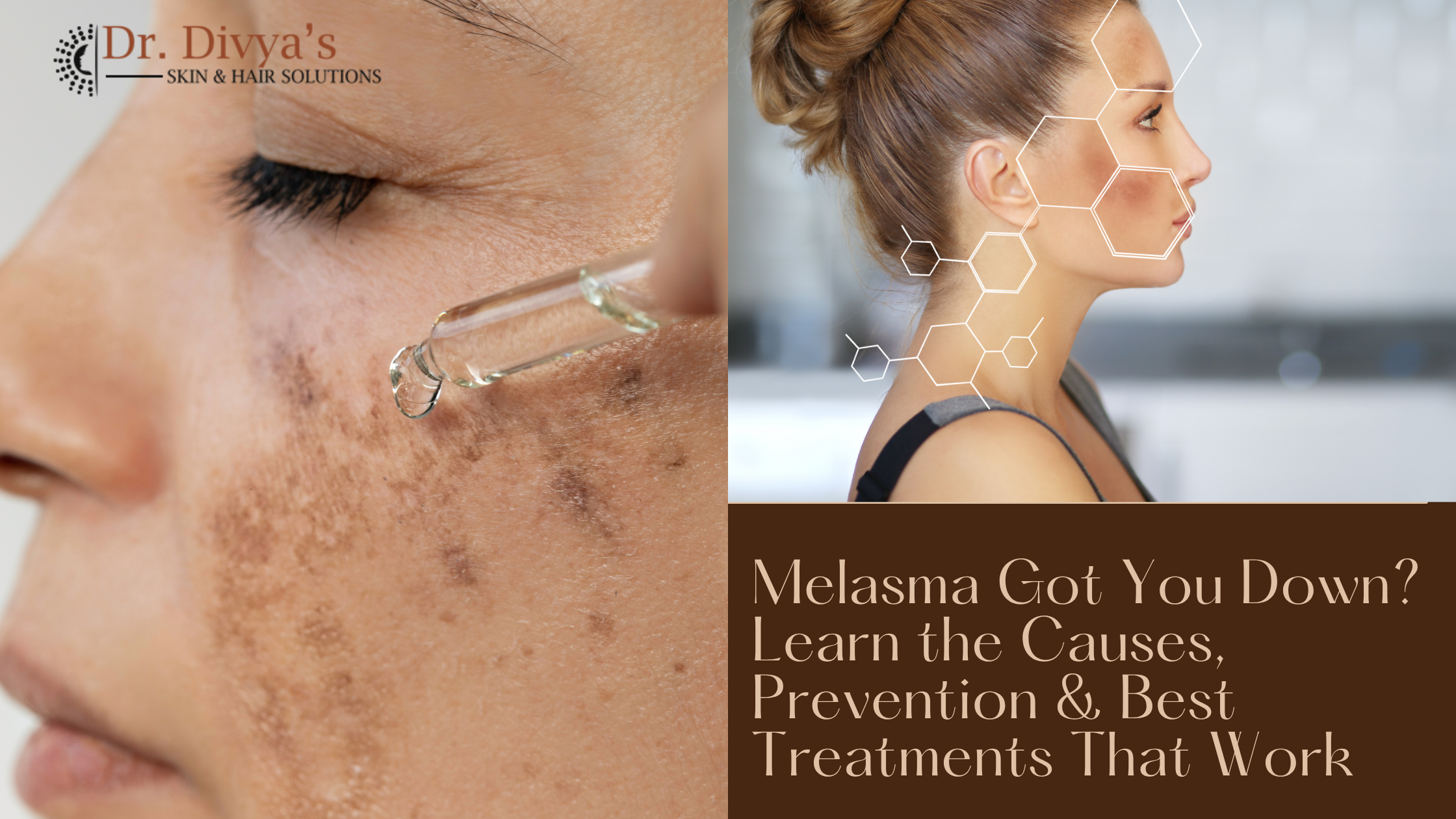
In India, where sun exposure is intense and skin tones vary widely, melasma form of hyperpigmentation affects many individuals, especially women. Characterized by brown or gray-brown patches on the face, melasma can impact self-confidence and is often challenging to treat. Understanding its causes, preventive measures, and effective treatments is crucial for managing this condition.
Understanding Melasma
Melasma appears as symmetrical patches, commonly on the cheeks, forehead, nose bridge, and upper lip. While it's not harmful, its aesthetic impact can be significant. The condition is more prevalent among individuals with medium to dark skin tones, making it a common concern in the Indian population.
Causes of Melasma
Several factors contribute to melasma:
- Hormonal changes: Pregnancy, birth control pills, and hormone therapy can trigger melasma.
- Severe temperature changes along with Sun exposure
- Hereditary or genetic predisposition
- Hypothyroidism
Prevention Strategies
Preventing melasma involves:
- Sun Protection: Use broad-spectrum sunscreens with SPF 30 or higher.
- Protective Clothing: Wear wide-brimmed hats and sunglasses.
- Gentle Skincare: Avoid harsh products that can irritate the skin.
Effective Treatments
Treating melasma requires a multifaceted approach:
- Topical Agents: Hydroquinone, tretinoin, and corticosteroids can lighten patches.
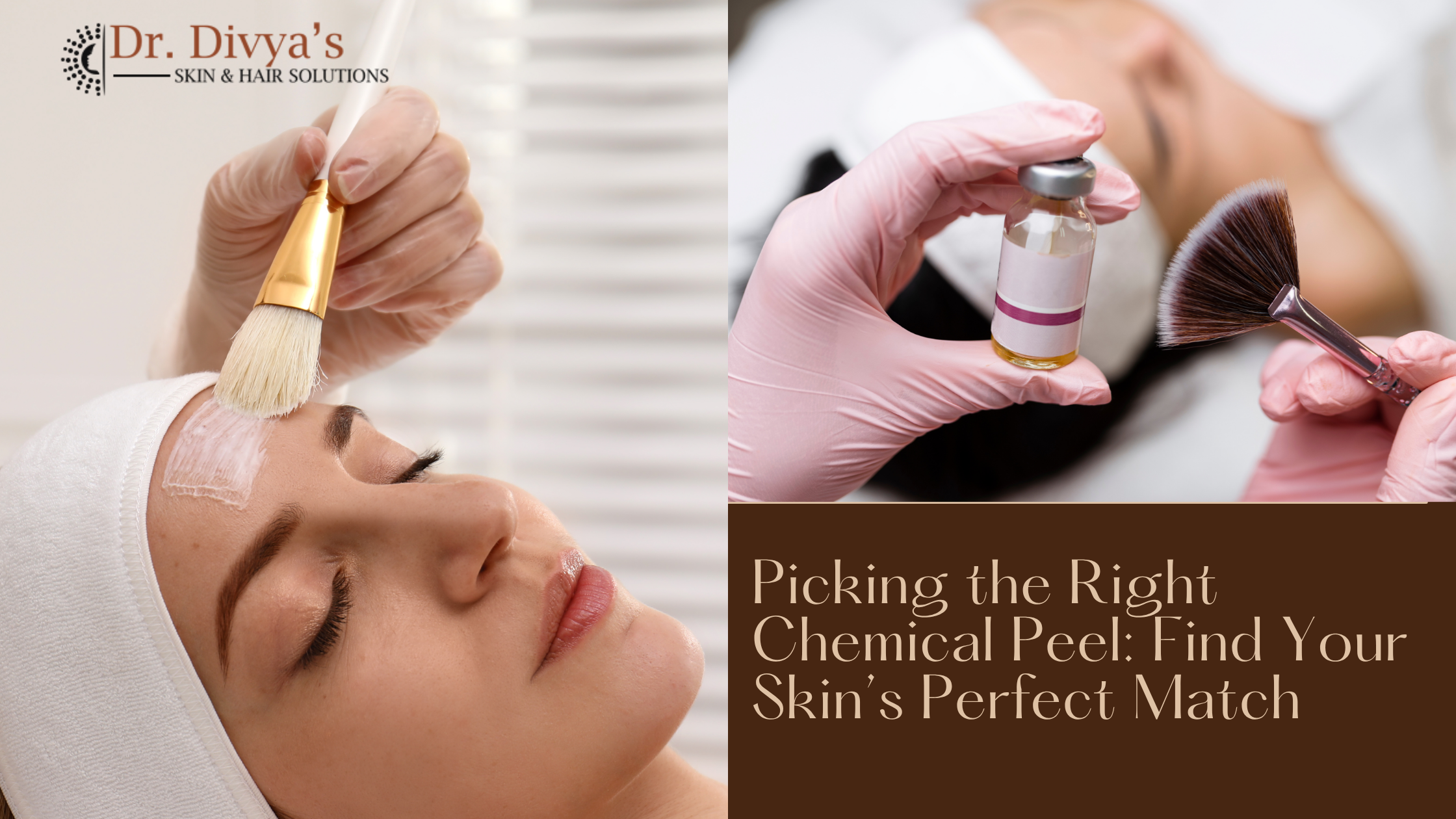
- Chemical Peels: Superficial peels help in reducing pigmentation.
- Laser Therapy: Targets deeper pigmentation but should be used cautiously.
FAQs
Is melasma permanent?
Melasma can fade over time with treatment but may recur with sun exposure.
Can men develop melasma?
Yes, though it's more common in women, men can also be affected.