Posted date on Oct 26, 2025
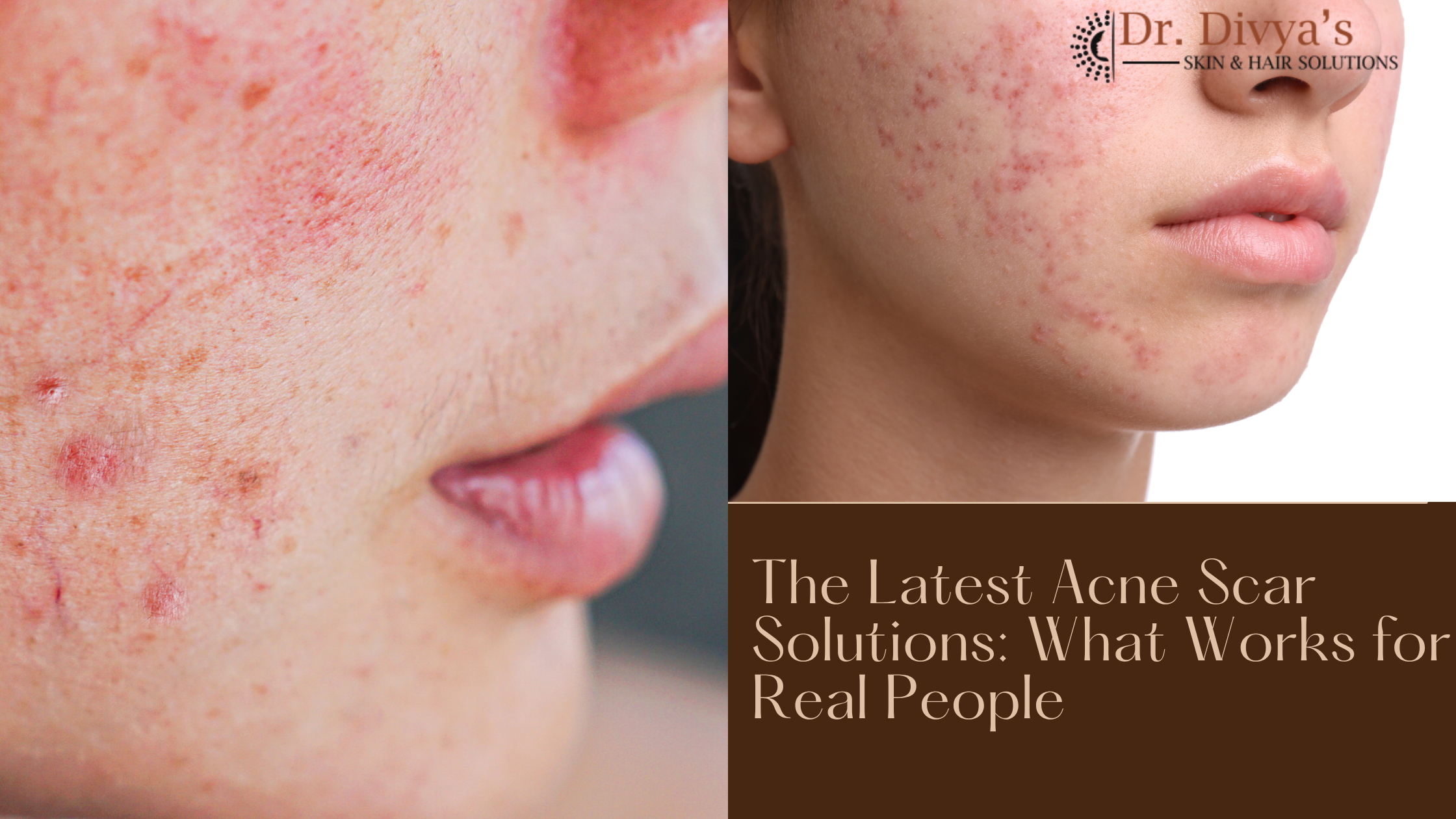
Acne scars can affect confidence and skin texture long after the acne itself has cleared. The good news is that modern dermatology offers various effective treatments tailored to different scar types and skin tones, helping real people achieve smoother, more radiant skin. Here’s an overview of the latest acne scar solutions in 2025 that truly make a difference.
Advanced Laser Treatments for Acne Scars
Laser therapy remains the gold standard for many types of acne scars. Ablative lasers like fractional CO2 and Er:YAG work by removing the damaged top skin layers and stimulating deep collagen regeneration, effectively reducing atrophic scars such as ice-pick, rolling, and boxcar scars. These lasers can improve skin texture, scar volume, and pigmentation with efficacy rates up to 90%. Non-ablative lasers and fractional lasers offer gentler options with less downtime, targeting scar redness and mild texture irregularities. Proper laser selection and settings offered to scar type and skin tone are essential to minimize risks such as hyperpigmentation.?
Radiofrequency and Fractional Radiofrequency Microneedling (FRMN)
Radiofrequency devices generate controlled heat, stimulating collagen contraction and new growth with a favorable safety profile. Fractional radiofrequency microneedling (FRMN) combines microneedling and RF energy to induce collagen remodeling while preserving the epidermis, making it safer for darker skin types prone to pigmentation issues. FRMN works by creating microchannels that activate natural healing and reorganize scar tissue, showing significant improvement in texture and scar depth after a few sessions.?
Microneedling with Platelet-Rich Plasma (PRP)
This combination is highly effective in accelerating skin repair. Microneedling creates micro-injuries that trigger collagen and elastin production. When paired with PRP—concentrated growth factors from your own blood—the healing response is boosted further. Most patients notice smoother skin and noticeable scar filling after 4 to 6 sessions, with minimal downtime compared to aggressive treatments.?
Chemical Peels
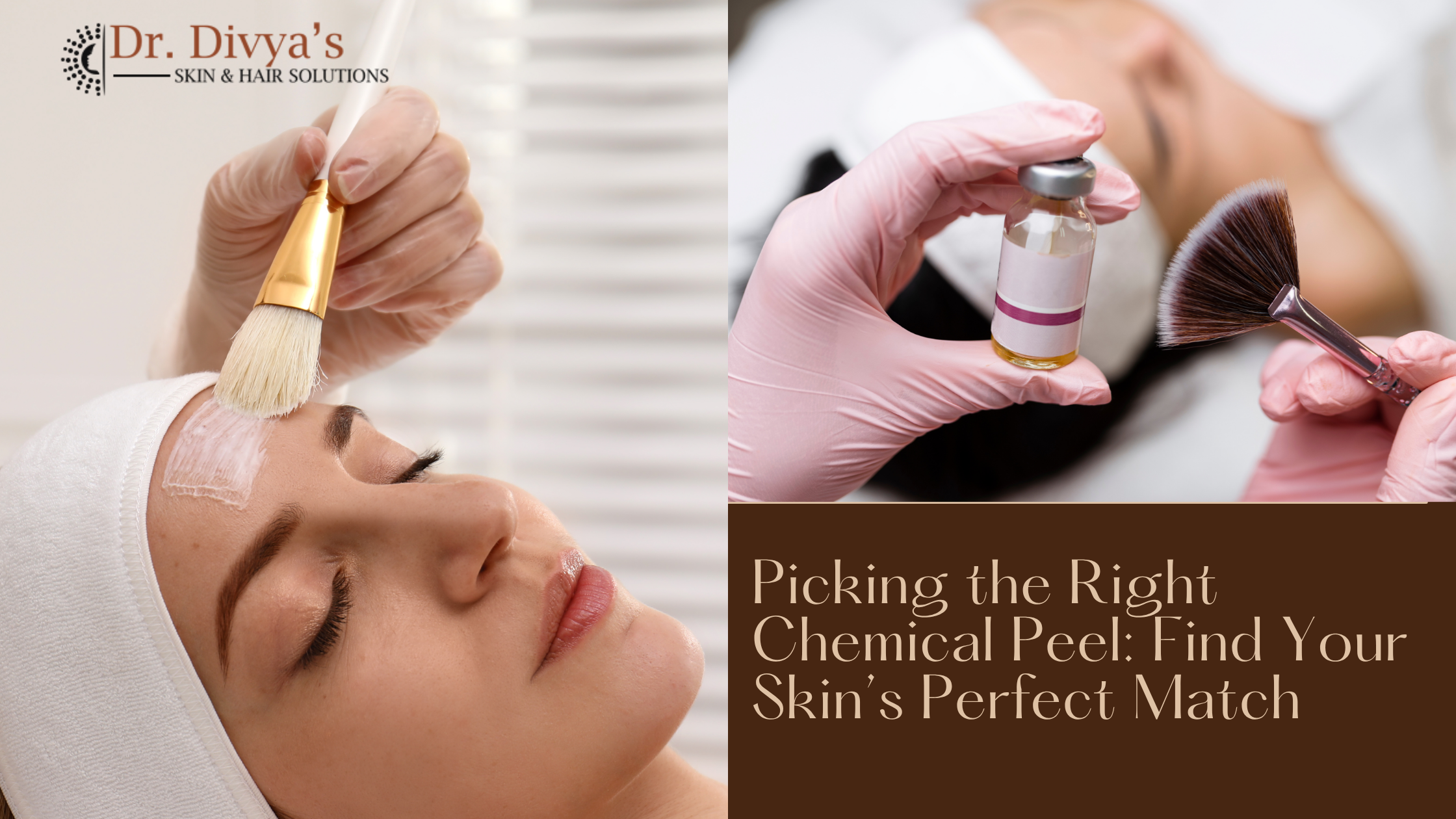
Medical-grade chemical peels exfoliate damaged skin layers to reveal fresher, healthier skin beneath. Superficial peels with glycolic or salicylic acid address light scars and pigmentation, while medium-depth peels delve deeper for moderate scarring. Peels are often combined with other therapies for enhanced overall results. Caution is advised for darker skin tones, as deeper peels can cause unwanted pigmentation changes.?
Dermal Fillers and Subcision
Dermal fillers containing hyaluronic acid or collagen plump up depressed scars temporarily, providing immediate smoothing effects. They are most effective for rolling and some boxcar scars. Subcision is a minor surgical technique used for tethered scars; inserting a needle under the skin breaks fibrous bands, allowing the depressed scar to lift and become less noticeable. Combining subcision with laser or microneedling enhances results.?
Treatment Plans for Best Results
Because acne scars vary widely in type, color, and depth, effective treatment requires a personalized approach by an experienced dermatologist. Combining different modalities tailored to your skin and scar characteristics delivers the best and safest outcomes.
If acne scars are impacting your confidence, consult a board-certified dermatologist to explore these advanced, science-backed treatments. Today’s technology and expertise can help you achieve smoother, healthier skin that looks and feels better for the long term.