Gold Toning Treatment: Benefits, Procedure & Results
Gold toning treatment is a gentle skin brightening laser for sensitive and tanned skin. Learn benefits, procedure steps, results & FAQs. Book now in Bangalore.
Read More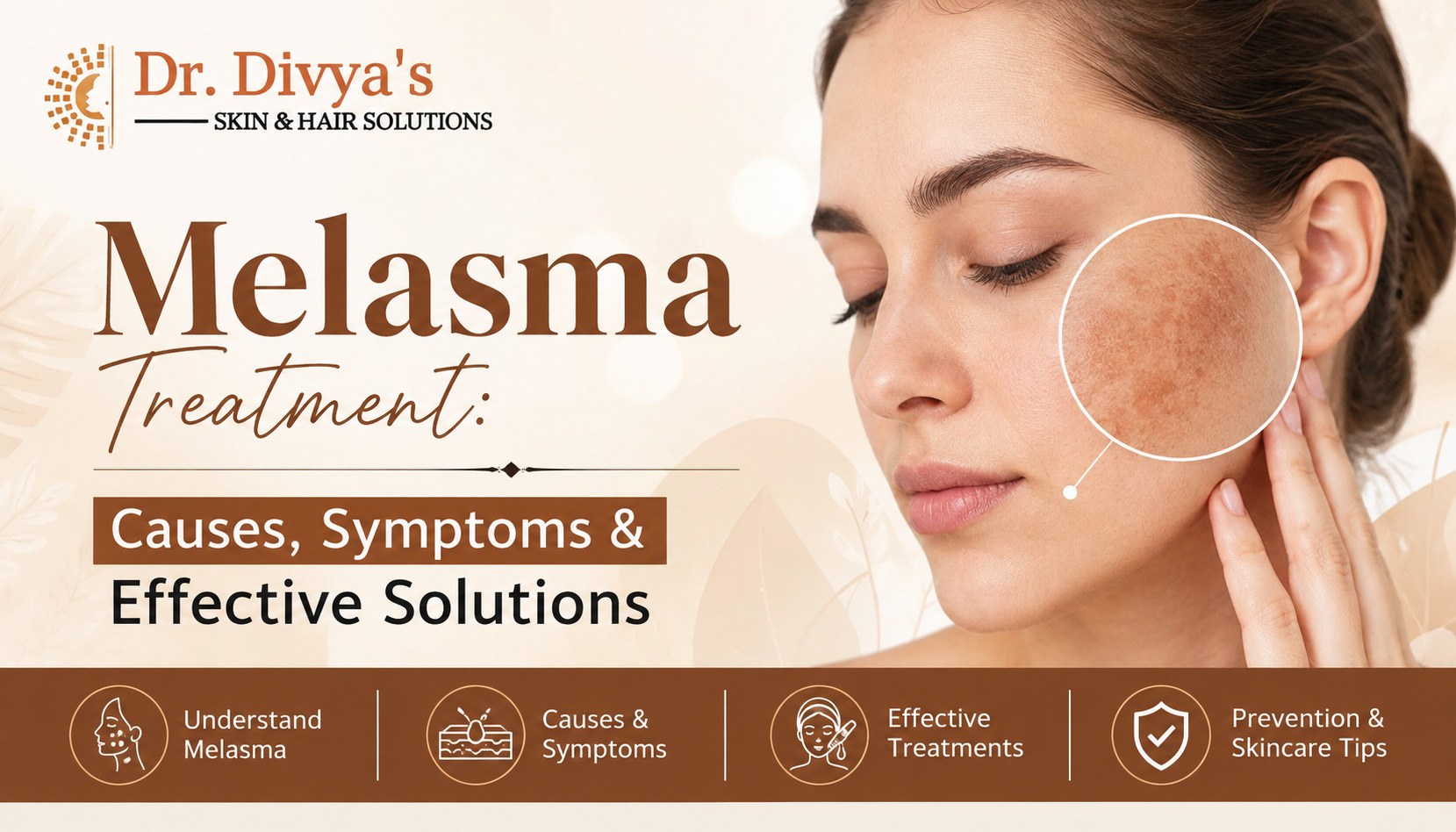
<meta charset="utf-8" />
Do you notice dark, stubborn patches on your cheeks, forehead, or upper lip that just will not fade? You may be dealing with melasma. It is one of the most common and frustrating skin concerns, especially among women. If you are looking for effective Melasma Treatment, you are not alone. Many people in Bangalore struggle with this condition and are unsure where to start.
Melasma can affect your confidence, but the good news is that with the right guidance from a qualified dermatologist, it can be managed very well. In this article, we will explain what melasma is, what causes it, how to recognise it, and the most effective treatments available today. Whether you are dealing with melasma during pregnancy or chronic pigmentation, this guide is for you.
Melasma is a common skin pigmentation disorder that causes brown or grey-brown patches on the face. It happens when the melanin-producing cells in your skin become overactive and produce too much pigment in certain areas. Unlike other types of facial pigmentation that may appear as small spots, melasma usually shows up as larger, symmetrical patches.
It most commonly appears on the cheeks, bridge of the nose, forehead, chin, and above the upper lip. While it can affect anyone, it is far more common in women. Melasma is also sometimes called chloasma, especially when it occurs during pregnancy. Understanding your condition is the first step toward finding the right pigmentation treatment that works for you.
Melasma develops when melanocytes produce too much melanin. But what triggers this overproduction? Here are the most common melasma causes:
Hormonal imbalance is one of the biggest triggers of melasma. It is commonly seen in women who are pregnant, on birth control pills, or undergoing hormone therapy. The hormones estrogen and progesterone can stimulate melanin production when combined with other factors like sun exposure.
Melasma during pregnancy is so common that it is often called the "pregnancy mask." It usually appears in the second or third trimester and is triggered by the surge in pregnancy hormones.
This is the single most important external trigger for melasma. UV exposure from the sun stimulates melanocytes and worsens existing patches. Even a few minutes of unprotected sun exposure can darken melasma. Visible light and heat can also contribute.
Melasma often runs in families. If your mother or grandmother had melasma, you are at a higher risk of developing it too. Genetic predisposition plays a significant role.
Some medicines can make the skin more sensitive to the sun and trigger melasma. These include some anti-seizure drugs, antibiotics, and photosensitizing medications.
Recent research shows that heat from the sun, saunas, or even hot weather can worsen melasma. Visible light, especially blue light from screens and the sun, also contributes to pigmentation.
Melasma is easy to identify once you know what to look for. Here are the most common symptoms:
Brown or grey-brown patches on the face that are flat and not raised
Patches usually appear on both sides of the face in a symmetrical pattern
Common areas include the cheeks, forehead, nose bridge, chin, and upper lip
Unlike acne marks or hyperpigmentation from injury, melasma patches are larger and more diffuse
They do not itch, hurt, or cause any physical discomfort
Melasma is sometimes confused with other pigmentation disorders. A melasma dermatologist Bangalore can give you a proper diagnosis and rule out other conditions. For more details, you can Learn More About Melasma on our dedicated page.
If you are pregnant and noticing dark patches on your face, do not panic. This is a very common condition. Melasma during pregnancy affects nearly 50 to 70 percent of pregnant women in some form.
It is primarily caused by the surge of hormones like estrogen and progesterone, which make the skin more sensitive to the sun. The condition often fades on its own after delivery, but this can take months or even longer. In some women, the pigmentation never fully disappears without treatment.
If you are pregnant or breastfeeding, most aggressive treatments like chemical peels or laser therapy are not recommended. Your dermatologist will suggest safe options like sunscreen and gentle topical creams. It is always a good idea to consult a dermatologist if your melasma is bothering you during pregnancy.
Melasma can be stubborn, but it is not untreatable. With the right Melasma Treatment plan, you can see significant improvement. The key is patience and consistency. Here are the most effective options available:
Your dermatologist may prescribe creams that slow down melanin production. These include hydroquinone, azelaic acid, and kojic acid. Tranexamic acid is another effective ingredient used in some topical formulations. These creams take time — usually 8 to 12 weeks — to show visible results.
A chemical peel uses a medical-grade solution to exfoliate the top layers of the skin. It helps remove pigmented cells and promotes new skin growth. Mild to medium-depth peels are commonly used for melasma. Multiple sessions are needed for lasting results.
Melasma laser toning is one of the most advanced treatments available. Q-switched Nd:YAG laser is commonly used to break down melanin deposits deep in the skin. Laser toning is gentle and requires multiple sessions. It works best when combined with topical treatments and good sun protection.
Most dermatologists recommend a combination approach for melasma. This may include a prescription cream, a series of chemical peels, and laser toning sessions. Combination therapy delivers better and longer-lasting results than any single treatment alone.
Melasma is a chronic condition. Even after your skin clears, maintenance is important. This includes continued use of topical creams, regular follow-ups with your dermatologist, and strict sun protection. At our clinic, every patient receives a customised skin care routine designed for long-term pigmentation correction. You can get Expert Melasma Care with a personalised treatment plan.
Your daily routine is just as important as the treatments you get at the clinic. Here is a simple routine to follow:
Cleanse Gently: Use a mild, non-stripping cleanser twice a day. Avoid harsh scrubs that can irritate the skin and worsen pigmentation.
Use a Brightening Serum: Serums with vitamin C, niacinamide, or tranexamic acid can help fade pigmentation over time. Apply them after cleansing and before moisturizing.
Moisturize: Keep your skin hydrated with a gentle moisturiser suited to your skin type. Healthy skin recovers faster.
Apply Sunscreen Religiously: Sunscreen is non-negotiable for melasma. Use a broad-spectrum SPF 50 or higher every single day. Reapply every 3 to 4 hours if you are outdoors. Physical sunscreens containing zinc oxide or titanium dioxide are often recommended for melasma-prone skin.
Complete prevention may not always be possible, especially if you have a genetic tendency. But you can significantly reduce your risk or prevent it from worsening:
Avoid prolonged sun exposure, especially between 10 AM and 4 PM
Wear a wide-brimmed hat and sunglasses when outdoors
Use a broad-spectrum SPF 50+ sunscreen daily, even indoors
Avoid heat exposure like saunas and steam rooms if you are prone to melasma
Do not use hormonal contraceptives without consulting your doctor if you have a history of melasma
Follow a consistent skin care routine recommended by your dermatologist
If you are searching for the right Melasma Treatment in Bangalore, Dr. Divya Sharma offers expert care backed by years of experience and modern technology. Here is why patients trust her for melasma management:
Thorough Diagnosis: Every patient receives a complete skin assessment, including Wood's Lamp examination, to determine the depth and type of pigmentation.
Customised Treatment Plans: No two melasma cases are the same. Dr. Sharma creates individualised treatment plans based on your skin type, lifestyle, and severity of pigmentation.
Advanced Technology: The clinic is equipped with the latest lasers and equipment for safe and effective melasma treatment.
Patient Education: You will always understand what is happening with your skin and why a particular treatment is recommended. Dr. Sharma believes in empowering her patients with knowledge.
Convenient Whitefield Location: If you are looking for a trusted Whitefield dermatologist, the clinic is easy to access from all parts of Bangalore.
You can Melasma Treatment in Bangalore page to explore all the treatment options available at our clinic.
Melasma is generally considered a chronic condition that can be managed very effectively, but not permanently cured in the traditional sense. With proper treatment and ongoing maintenance, most patients see significant clearing of their patches. However, melasma can return if you stop your skincare routine or expose your skin to the sun without protection. The goal of treatment is to achieve clear skin and maintain it with a good long-term plan. A dermatologist can help you find the right approach for your unique skin.
In many women, melasma does fade after delivery as hormone levels return to normal. However, it does not always disappear completely. For some women, the pigmentation may partially fade but remain visible. Others may need treatment after pregnancy and breastfeeding to fully clear the patches. Since aggressive treatments are not recommended during pregnancy, it is best to focus on sun protection and gentle skincare until after delivery. If melasma persists, consult a dermatologist for safe and effective options.
Yes, melasma can come back even after successful treatment. This is because melasma is a chronic condition influenced by hormones, sun exposure, and genetics. If you stop using sunscreen, skip your maintenance skincare routine, or experience hormonal changes again, the pigmentation can reappear. The best way to prevent recurrence is to follow your dermatologist's advice consistently. Maintenance treatments like occasional peels or topical cream use can help keep your skin clear over the long term.
For melasma-prone skin, a broad-spectrum SPF 50+ sunscreen is essential. It should protect against both UVA and UVB rays. Physical sunscreens containing zinc oxide or titanium dioxide are often recommended because they sit on top of the skin and reflect light, offering better protection against visible light as well. Tinted sunscreens with iron oxides provide additional protection against blue light from the sun and screens. Apply it every morning and reapply every 3 to 4 hours if you are outdoors. Sunscreen is your best tool against melasma flare-ups.
Melasma can feel overwhelming, but it is a condition you can manage with the right support. Whether it has appeared during pregnancy, after sun exposure, or due to hormonal changes, effective solutions are available. The most important step is to consult an experienced dermatologist who can guide you toward the right treatment plan.
Dr. Divya Sharma and her team are here to help you regain your confidence with safe, personalised, and effective Melasma Treatment. Your skin journey is unique, and you deserve care that treats your skin with the attention it needs.
If you are ready to take control of your skin health, schedule a consultation with Dr. Divya Sharma today. Visit our Skin Pigmentation Treatment page to learn more about how we can help you achieve clearer, more even skin.
Do you notice dark, stubborn patches on your cheeks, forehead, or upper lip that just will not fade? You may be dealing with melasma. It is one of the most common and frustrating skin concerns, especially among women. If you are looking for effective Melasma Treatment, you are not alone. Many people in Bangalore struggle with this condition and are unsure where to start.
Melasma can affect your confidence, but the good news is that with the right guidance from a qualified dermatologist, it can be managed very well. In this article, we will explain what melasma is, what causes it, how to recognise it, and the most effective treatments available today. Whether you are dealing with melasma during pregnancy or chronic pigmentation, this guide is for you.
Melasma is a common skin pigmentation disorder that causes brown or grey-brown patches on the face. It happens when the melanin-producing cells in your skin become overactive and produce too much pigment in certain areas. Unlike other types of facial pigmentation that may appear as small spots, melasma usually shows up as larger, symmetrical patches.
It most commonly appears on the cheeks, bridge of the nose, forehead, chin, and above the upper lip. While it can affect anyone, it is far more common in women. Melasma is also sometimes called chloasma, especially when it occurs during pregnancy. Understanding your condition is the first step toward finding the right pigmentation treatment that works for you.
Melasma develops when melanocytes produce too much melanin. But what triggers this overproduction? Here are the most common melasma causes:
Hormonal imbalance is one of the biggest triggers of melasma. It is commonly seen in women who are pregnant, on birth control pills, or undergoing hormone therapy. The hormones estrogen and progesterone can stimulate melanin production when combined with other factors like sun exposure.
Melasma during pregnancy is so common that it is often called the "pregnancy mask." It usually appears in the second or third trimester and is triggered by the surge in pregnancy hormones.
This is the single most important external trigger for melasma. UV exposure from the sun stimulates melanocytes and worsens existing patches. Even a few minutes of unprotected sun exposure can darken melasma. Visible light and heat can also contribute.
Melasma often runs in families. If your mother or grandmother had melasma, you are at a higher risk of developing it too. Genetic predisposition plays a significant role.
Some medicines can make the skin more sensitive to the sun and trigger melasma. These include some anti-seizure drugs, antibiotics, and photosensitizing medications.
Recent research shows that heat from the sun, saunas, or even hot weather can worsen melasma. Visible light, especially blue light from screens and the sun, also contributes to pigmentation.
Melasma is easy to identify once you know what to look for. Here are the most common symptoms:
Brown or grey-brown patches on the face that are flat and not raised
Patches usually appear on both sides of the face in a symmetrical pattern
Common areas include the cheeks, forehead, nose bridge, chin, and upper lip
Unlike acne marks or hyperpigmentation from injury, melasma patches are larger and more diffuse
They do not itch, hurt, or cause any physical discomfort
Melasma is sometimes confused with other pigmentation disorders. A melasma dermatologist Bangalore can give you a proper diagnosis and rule out other conditions. For more details, you can Learn More About Melasma on our dedicated page.
If you are pregnant and noticing dark patches on your face, do not panic. This is a very common condition. Melasma during pregnancy affects nearly 50 to 70 percent of pregnant women in some form.
It is primarily caused by the surge of hormones like estrogen and progesterone, which make the skin more sensitive to the sun. The condition often fades on its own after delivery, but this can take months or even longer. In some women, the pigmentation never fully disappears without treatment.
If you are pregnant or breastfeeding, most aggressive treatments like chemical peels or laser therapy are not recommended. Your dermatologist will suggest safe options like sunscreen and gentle topical creams. It is always a good idea to consult a dermatologist if your melasma is bothering you during pregnancy.
Melasma can be stubborn, but it is not untreatable. With the right Melasma Treatment plan, you can see significant improvement. The key is patience and consistency. Here are the most effective options available:
Your dermatologist may prescribe creams that slow down melanin production. These include hydroquinone, azelaic acid, and kojic acid. Tranexamic acid is another effective ingredient used in some topical formulations. These creams take time — usually 8 to 12 weeks — to show visible results.
A chemical peel uses a medical-grade solution to exfoliate the top layers of the skin. It helps remove pigmented cells and promotes new skin growth. Mild to medium-depth peels are commonly used for melasma. Multiple sessions are needed for lasting results.
Melasma laser toning is one of the most advanced treatments available. Q-switched Nd:YAG laser is commonly used to break down melanin deposits deep in the skin. Laser toning is gentle and requires multiple sessions. It works best when combined with topical treatments and good sun protection.
Most dermatologists recommend a combination approach for melasma. This may include a prescription cream, a series of chemical peels, and laser toning sessions. Combination therapy delivers better and longer-lasting results than any single treatment alone.
Melasma is a chronic condition. Even after your skin clears, maintenance is important. This includes continued use of topical creams, regular follow-ups with your dermatologist, and strict sun protection. At our clinic, every patient receives a customised skin care routine designed for long-term pigmentation correction. You can get Expert Melasma Care with a personalised treatment plan.
Your daily routine is just as important as the treatments you get at the clinic. Here is a simple routine to follow:
Cleanse Gently: Use a mild, non-stripping cleanser twice a day. Avoid harsh scrubs that can irritate the skin and worsen pigmentation.
Use a Brightening Serum: Serums with vitamin C, niacinamide, or tranexamic acid can help fade pigmentation over time. Apply them after cleansing and before moisturizing.
Moisturize: Keep your skin hydrated with a gentle moisturiser suited to your skin type. Healthy skin recovers faster.
Apply Sunscreen Religiously: Sunscreen is non-negotiable for melasma. Use a broad-spectrum SPF 50 or higher every single day. Reapply every 3 to 4 hours if you are outdoors. Physical sunscreens containing zinc oxide or titanium dioxide are often recommended for melasma-prone skin.
Complete prevention may not always be possible, especially if you have a genetic tendency. But you can significantly reduce your risk or prevent it from worsening:
Avoid prolonged sun exposure, especially between 10 AM and 4 PM
Wear a wide-brimmed hat and sunglasses when outdoors
Use a broad-spectrum SPF 50+ sunscreen daily, even indoors
Avoid heat exposure like saunas and steam rooms if you are prone to melasma
Do not use hormonal contraceptives without consulting your doctor if you have a history of melasma
Follow a consistent skin care routine recommended by your dermatologist
If you are searching for the right Melasma Treatment in Bangalore, Dr. Divya Sharma offers expert care backed by years of experience and modern technology. Here is why patients trust her for melasma management:
Thorough Diagnosis: Every patient receives a complete skin assessment, including Wood's Lamp examination, to determine the depth and type of pigmentation.
Customised Treatment Plans: No two melasma cases are the same. Dr. Sharma creates individualised treatment plans based on your skin type, lifestyle, and severity of pigmentation.
Advanced Technology: The clinic is equipped with the latest lasers and equipment for safe and effective melasma treatment.
Patient Education: You will always understand what is happening with your skin and why a particular treatment is recommended. Dr. Sharma believes in empowering her patients with knowledge.
Convenient Whitefield Location: If you are looking for a trusted Whitefield dermatologist, the clinic is easy to access from all parts of Bangalore.
You can Melasma Treatment in Bangalore page to explore all the treatment options available at our clinic.
Melasma is generally considered a chronic condition that can be managed very effectively, but not permanently cured in the traditional sense. With proper treatment and ongoing maintenance, most patients see significant clearing of their patches. However, melasma can return if you stop your skincare routine or expose your skin to the sun without protection. The goal of treatment is to achieve clear skin and maintain it with a good long-term plan. A dermatologist can help you find the right approach for your unique skin.
In many women, melasma does fade after delivery as hormone levels return to normal. However, it does not always disappear completely. For some women, the pigmentation may partially fade but remain visible. Others may need treatment after pregnancy and breastfeeding to fully clear the patches. Since aggressive treatments are not recommended during pregnancy, it is best to focus on sun protection and gentle skincare until after delivery. If melasma persists, consult a dermatologist for safe and effective options.
Yes, melasma can come back even after successful treatment. This is because melasma is a chronic condition influenced by hormones, sun exposure, and genetics. If you stop using sunscreen, skip your maintenance skincare routine, or experience hormonal changes again, the pigmentation can reappear. The best way to prevent recurrence is to follow your dermatologist's advice consistently. Maintenance treatments like occasional peels or topical cream use can help keep your skin clear over the long term.
For melasma-prone skin, a broad-spectrum SPF 50+ sunscreen is essential. It should protect against both UVA and UVB rays. Physical sunscreens containing zinc oxide or titanium dioxide are often recommended because they sit on top of the skin and reflect light, offering better protection against visible light as well. Tinted sunscreens with iron oxides provide additional protection against blue light from the sun and screens. Apply it every morning and reapply every 3 to 4 hours if you are outdoors. Sunscreen is your best tool against melasma flare-ups.
Melasma can feel overwhelming, but it is a condition you can manage with the right support. Whether it has appeared during pregnancy, after sun exposure, or due to hormonal changes, effective solutions are available. The most important step is to consult an experienced dermatologist who can guide you toward the right treatment plan.
Dr. Divya Sharma and her team are here to help you regain your confidence with safe, personalised, and effective Melasma Treatment. Your skin journey is unique, and you deserve care that treats your skin with the attention it needs.
If you are ready to take control of your skin health, schedule a consultation with Dr. Divya Sharma today. Visit our Skin Pigmentation Treatment page to learn more about how we can help you achieve clearer, more even skin.
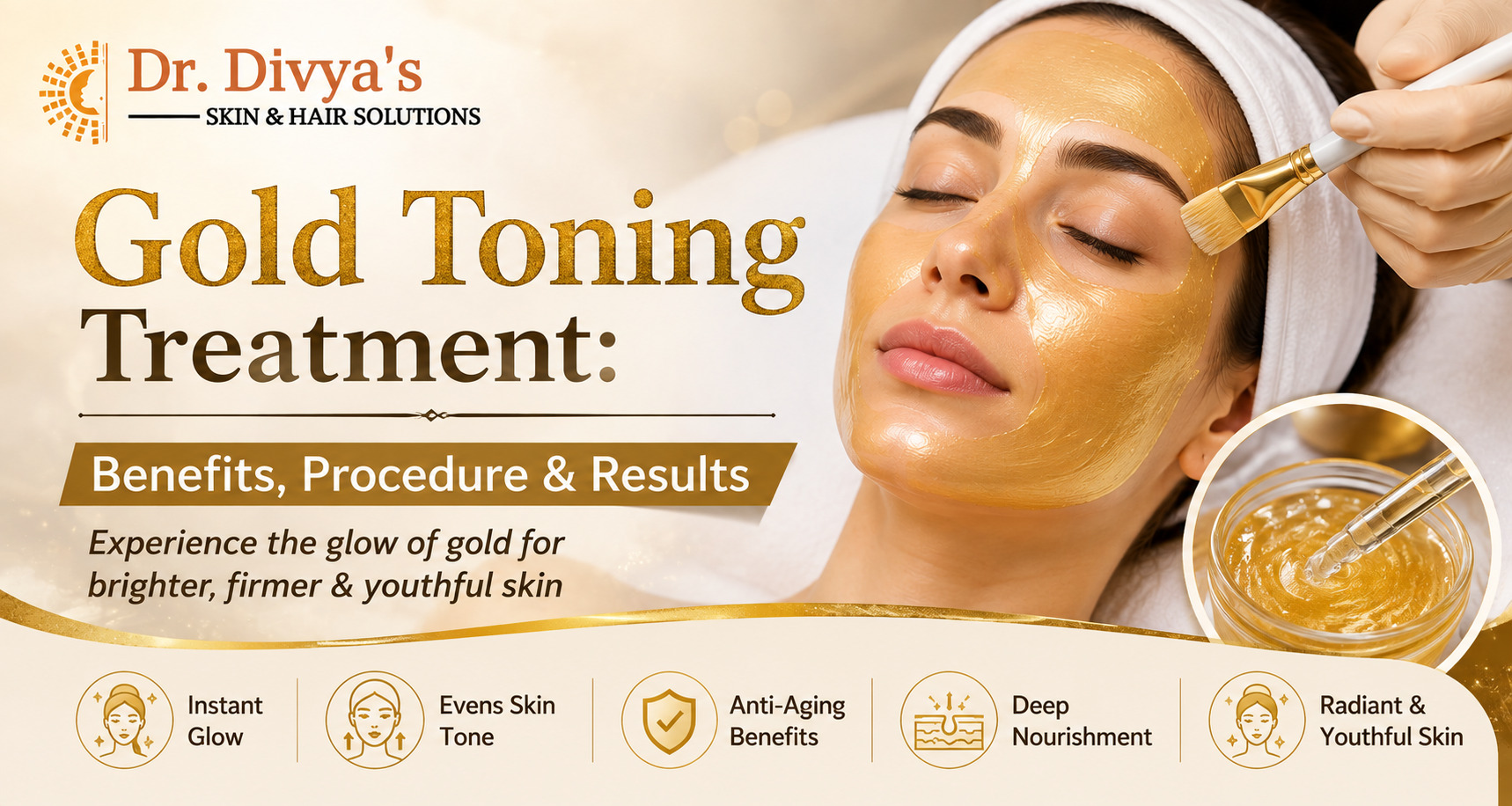
Gold toning treatment is a gentle skin brightening laser for sensitive and tanned skin. Learn benefits, procedure steps, results & FAQs. Book now in Bangalore.
Read More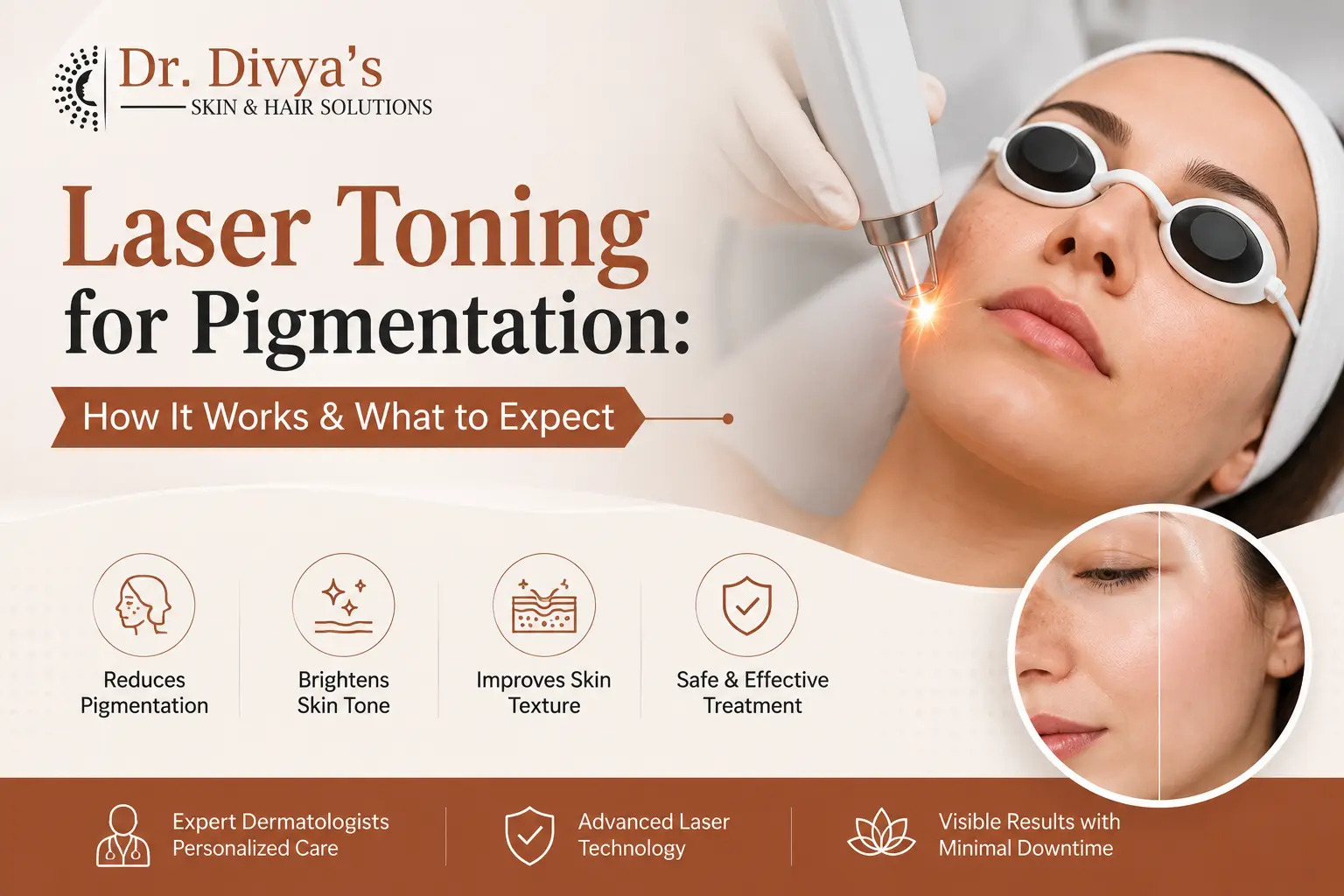
If dark patches or uneven skin tone have been bothering you, laser toning could be the answer. This post breaks down how it works, what it feels like, how many sessions you will need, and what to expect after each visit. No jargon. Just real talk.
Read More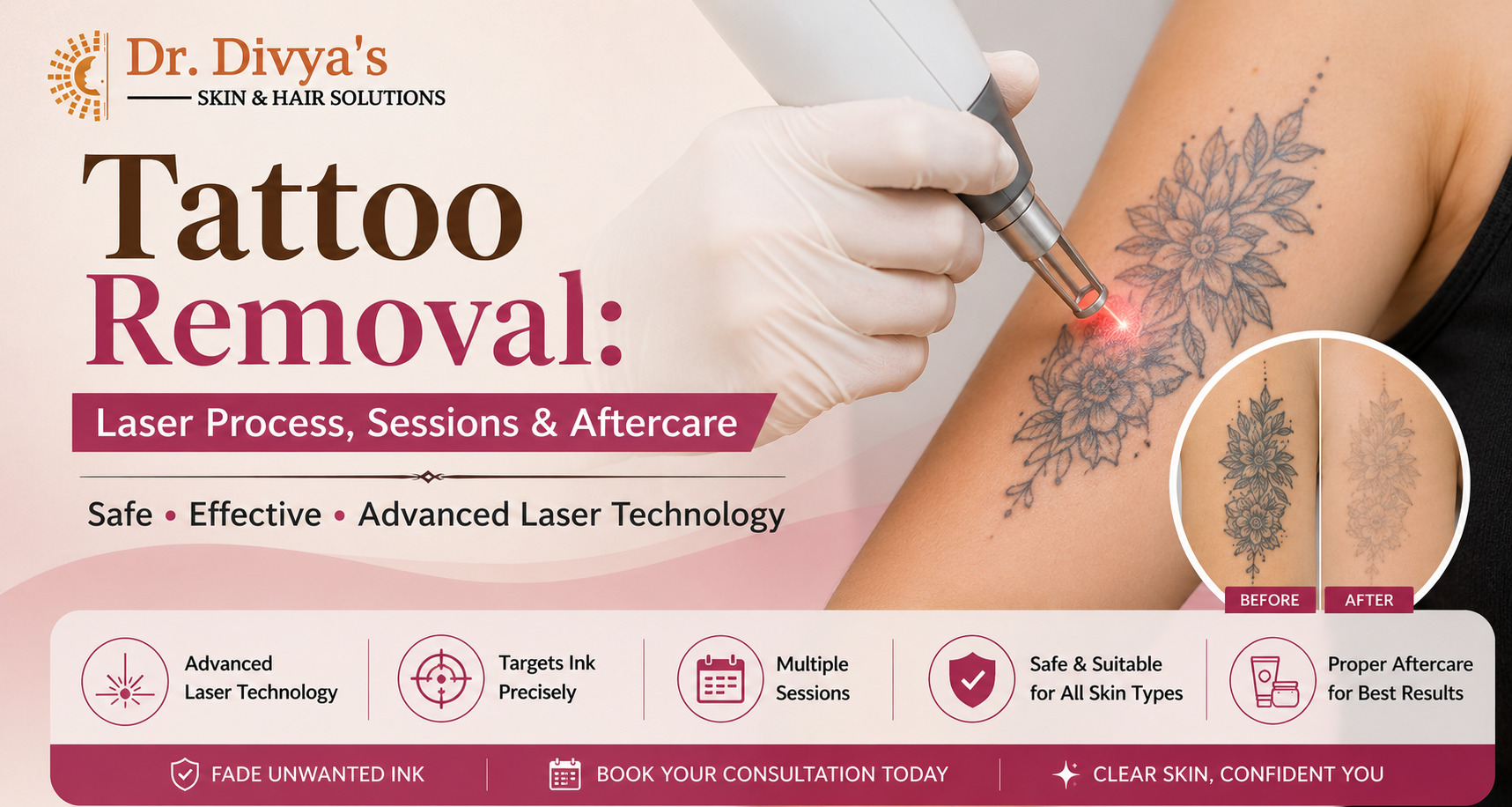
Laser tattoo removal breaks ink particles for natural elimination. Learn how it works, number of sessions needed, pain options, aftercare & risks.
Read More
This complete guide will answer all your questions. Whether you are looking for an instant glow facial treatment or want to understand the Hollywood peel cost and benefits, this article covers everything you need to know.
Read More
This article walks you through everything you need to know about skin pigmentation, what causes it, the different types, the best treatment options available in Bangalore, and how to prevent it.
Read More