Gold Toning Treatment: Benefits, Procedure & Results
Gold toning treatment is a gentle skin brightening laser for sensitive and tanned skin. Learn benefits, procedure steps, results & FAQs. Book now in Bangalore.
Read More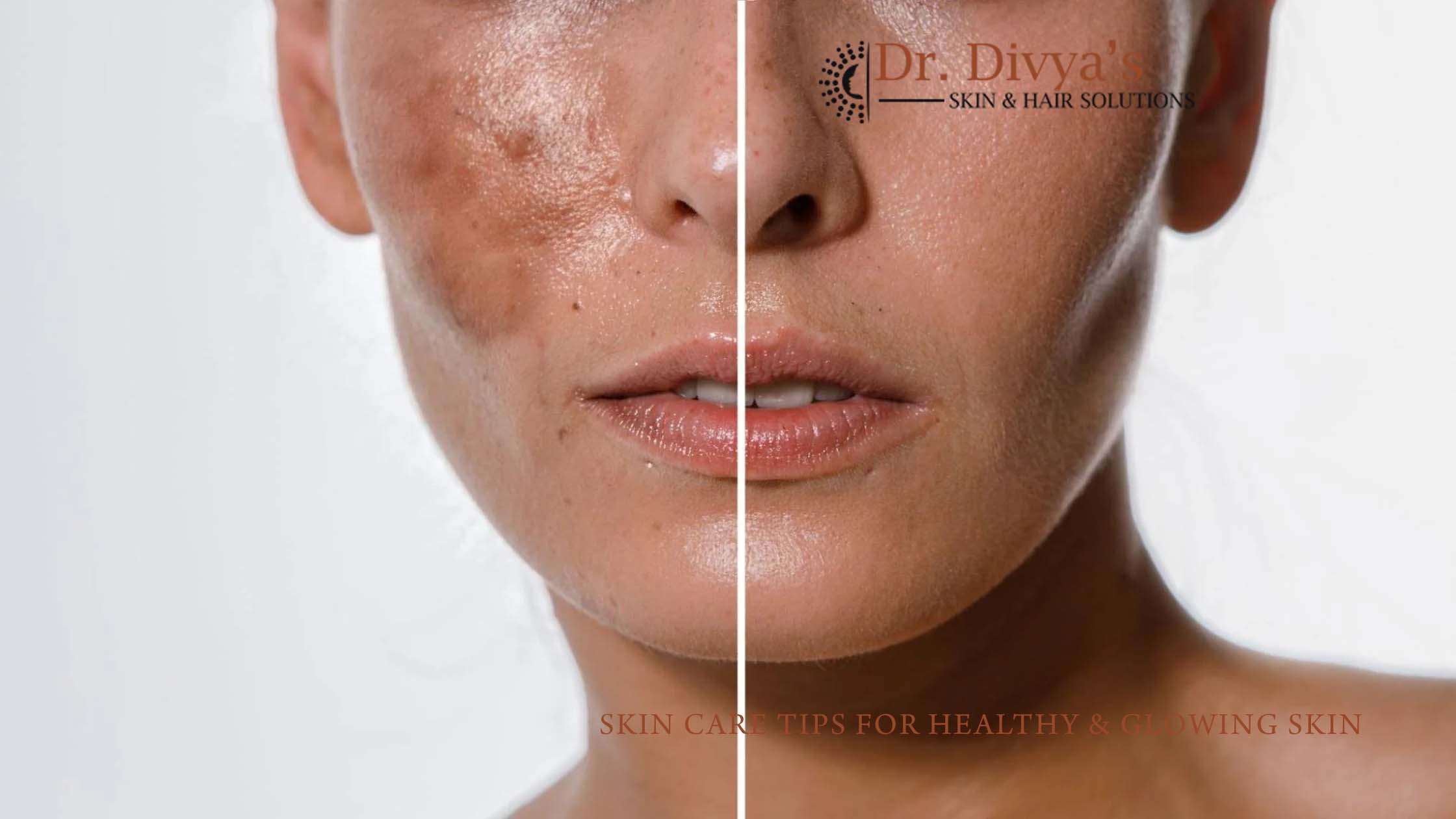
Pigmentation is one of the most common skin concerns affecting people of all ages. It can appear as dark spots, patches, uneven skin tone, or discoloration on the face and body. While pigmentation is generally not harmful, it can affect self-confidence and make the skin look dull or aged. Understanding the causes of pigmentation and seeking timely treatment can help restore a clearer and more even complexion.
According to Dr. Divya Sharma, MBBS (Gold Medalist), MD (Skin), accurate diagnosis is the key to successful pigmentation treatment, as different types of pigmentation require different treatment approaches.
Pigmentation occurs when the skin produces excess melanin, the natural pigment responsible for skin color. When melanin production becomes uneven or excessive, dark patches and spots can develop on the skin.
Pigmentation can affect:
Excessive exposure to ultraviolet (UV) rays is one of the leading causes of pigmentation.
Sun damage can result in:
Daily sunscreen use is essential to prevent UV-induced pigmentation.
Hormonal fluctuations can stimulate melanin production and lead to pigmentation disorders such as melasma.
Common triggers include:
Pigmentation often develops after skin inflammation or injury.
Common causes:
As skin ages, melanin-producing cells may become unevenly distributed, leading to age spots and pigmentation.
Some individuals have a hereditary tendency to develop pigmentation disorders more easily than others.
Some medications may increase skin sensitivity to sunlight and contribute to pigmentation.
Factors such as:
can worsen pigmentation over time.
Melasma appears as symmetrical brown or grayish patches, commonly on the cheeks, forehead, nose, and upper lip.
Dark spots caused by long-term sun exposure.
Dark marks left behind after acne, injury, or skin inflammation.
Small brown spots often influenced by genetics and sun exposure.
Dermatologist-prescribed creams and serums help reduce excess melanin production and improve skin tone.
Commonly used ingredients include:
Chemical peels gently exfoliate the skin and remove pigmented surface layers.
Benefits:
Advanced laser treatments target excess melanin deposits and help achieve a more even skin tone.
Benefits:
A highly effective treatment for:
Microneedling stimulates collagen production and helps improve pigmentation while enhancing overall skin texture.
Customized skincare plans recommended by a dermatologist can significantly improve pigmentation and prevent recurrence.
Apply broad-spectrum sunscreen with SPF 30 or higher every day.
Wear protective clothing, sunglasses, and hats when outdoors.
Use dermatologist-approved products suitable for your skin type.
Picking pimples can lead to post-inflammatory pigmentation and scarring.
A balanced diet, adequate hydration, stress management, and proper sleep support healthy skin.
Dr. Divya Sharma, MBBS (Gold Medalist), MD (Skin) is an experienced dermatologist specializing in the diagnosis and treatment of pigmentation disorders. She offers personalized treatment plans based on individual skin concerns, ensuring safe, effective, and long-lasting results.
Using advanced dermatological procedures and evidence-based treatments, Dr. Divya Sharma helps patients achieve clearer, healthier, and more radiant skin.
Dr. Divya Sharma – Skin Specialist
???? 575, 2nd Floor, GTR Complex, AECS Layout, Marathahalli, Bengaluru, Karnataka
???? Appointment: +91 9620638388, +91 8049565612
? Email: info@drdivyasharma.com
???? Website: www.drdivyasharma.com
Pigmentation is one of the most common skin concerns affecting people of all ages. It can appear as dark spots, patches, uneven skin tone, or discoloration on the face and body. While pigmentation is generally not harmful, it can affect self-confidence and make the skin look dull or aged. Understanding the causes of pigmentation and seeking timely treatment can help restore a clearer and more even complexion.
According to Dr. Divya Sharma, MBBS (Gold Medalist), MD (Skin), accurate diagnosis is the key to successful pigmentation treatment, as different types of pigmentation require different treatment approaches.
Pigmentation occurs when the skin produces excess melanin, the natural pigment responsible for skin color. When melanin production becomes uneven or excessive, dark patches and spots can develop on the skin.
Pigmentation can affect:
Excessive exposure to ultraviolet (UV) rays is one of the leading causes of pigmentation.
Sun damage can result in:
Daily sunscreen use is essential to prevent UV-induced pigmentation.
Hormonal fluctuations can stimulate melanin production and lead to pigmentation disorders such as melasma.
Common triggers include:
Pigmentation often develops after skin inflammation or injury.
Common causes:
As skin ages, melanin-producing cells may become unevenly distributed, leading to age spots and pigmentation.
Some individuals have a hereditary tendency to develop pigmentation disorders more easily than others.
Some medications may increase skin sensitivity to sunlight and contribute to pigmentation.
Factors such as:
can worsen pigmentation over time.
Melasma appears as symmetrical brown or grayish patches, commonly on the cheeks, forehead, nose, and upper lip.
Dark spots caused by long-term sun exposure.
Dark marks left behind after acne, injury, or skin inflammation.
Small brown spots often influenced by genetics and sun exposure.
Dermatologist-prescribed creams and serums help reduce excess melanin production and improve skin tone.
Commonly used ingredients include:
Chemical peels gently exfoliate the skin and remove pigmented surface layers.
Benefits:
Advanced laser treatments target excess melanin deposits and help achieve a more even skin tone.
Benefits:
A highly effective treatment for:
Microneedling stimulates collagen production and helps improve pigmentation while enhancing overall skin texture.
Customized skincare plans recommended by a dermatologist can significantly improve pigmentation and prevent recurrence.
Apply broad-spectrum sunscreen with SPF 30 or higher every day.
Wear protective clothing, sunglasses, and hats when outdoors.
Use dermatologist-approved products suitable for your skin type.
Picking pimples can lead to post-inflammatory pigmentation and scarring.
A balanced diet, adequate hydration, stress management, and proper sleep support healthy skin.
Dr. Divya Sharma, MBBS (Gold Medalist), MD (Skin) is an experienced dermatologist specializing in the diagnosis and treatment of pigmentation disorders. She offers personalized treatment plans based on individual skin concerns, ensuring safe, effective, and long-lasting results.
Using advanced dermatological procedures and evidence-based treatments, Dr. Divya Sharma helps patients achieve clearer, healthier, and more radiant skin.
Dr. Divya Sharma – Skin Specialist
???? 575, 2nd Floor, GTR Complex, AECS Layout, Marathahalli, Bengaluru, Karnataka
???? Appointment: +91 9620638388, +91 8049565612
? Email: info@drdivyasharma.com
???? Website: www.drdivyasharma.com
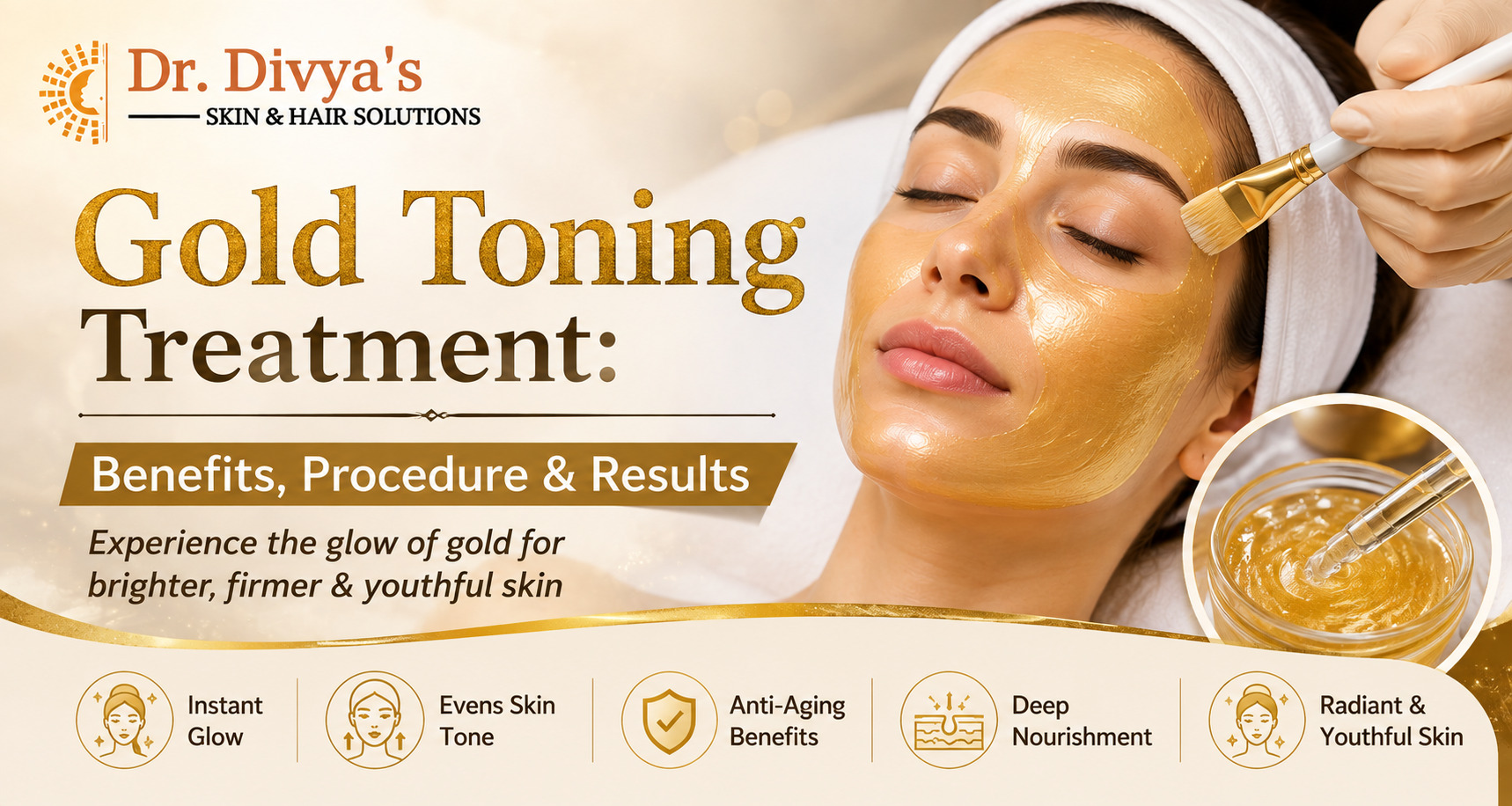
Gold toning treatment is a gentle skin brightening laser for sensitive and tanned skin. Learn benefits, procedure steps, results & FAQs. Book now in Bangalore.
Read More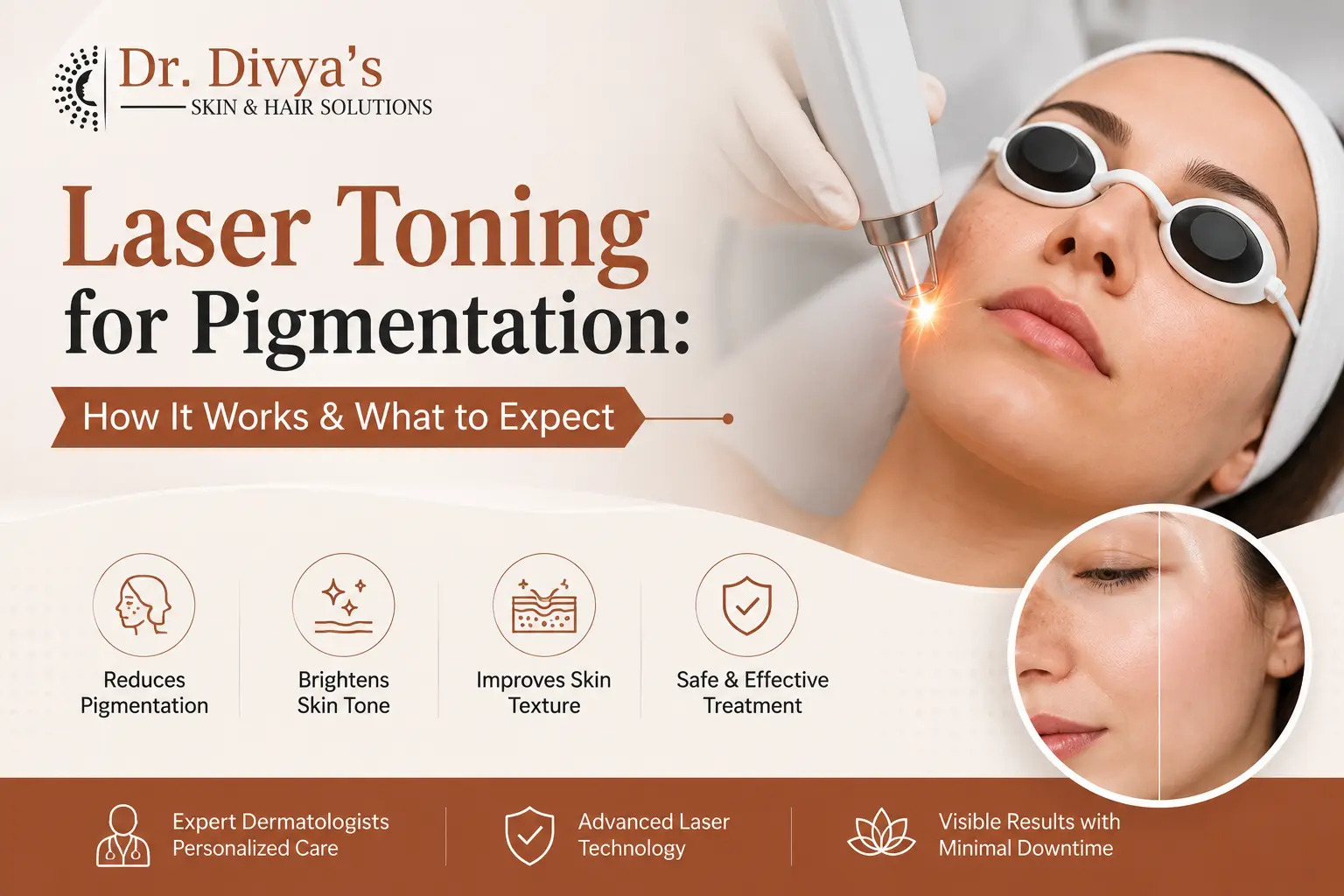
If dark patches or uneven skin tone have been bothering you, laser toning could be the answer. This post breaks down how it works, what it feels like, how many sessions you will need, and what to expect after each visit. No jargon. Just real talk.
Read More
Laser tattoo removal breaks ink particles for natural elimination. Learn how it works, number of sessions needed, pain options, aftercare & risks.
Read More
This complete guide will answer all your questions. Whether you are looking for an instant glow facial treatment or want to understand the Hollywood peel cost and benefits, this article covers everything you need to know.
Read More
This article walks you through everything you need to know about skin pigmentation, what causes it, the different types, the best treatment options available in Bangalore, and how to prevent it.
Read More