

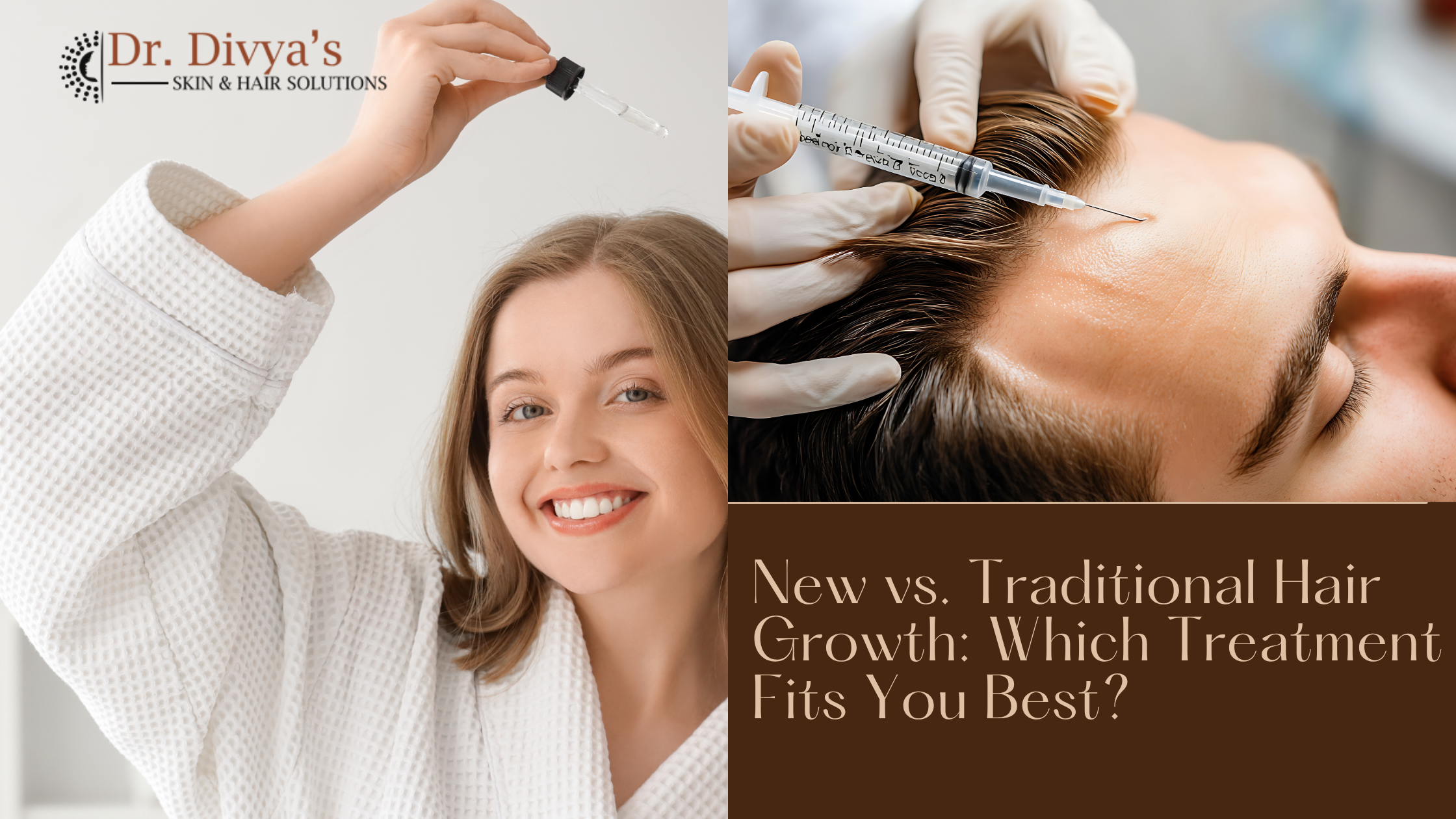
Hair loss can feel upsetting and affect your self-confidence. Fortunately, the world of hair regrowth has dramatically evolved from the traditional natural remedies of the past to advanced medical therapies made for effective and lasting results. To choose the best treatment for you, it’s important to understand how traditional and modern approaches differ.
Traditional Hair Growth Treatments: Tried and True, But Limited
Traditional hair care focuses on natural methods like herbal oils, scalp massages, topical lotions, and oral supplements such as saw palmetto. These have been around for ages and are widely accessible and affordable.
While many people find them helpful for overall scalp health, traditional therapies usually provide mild, slower, and sometimes inconsistent hair regrowth results. Daily application over a long period is often needed, and these methods rarely stimulate significant new hair growth on their own.
Modern Hair Growth Treatments: Scientific and Minimally Invasive
Modern treatments leverage medical research and technology to deliver faster, more reliable hair regrowth with less downtime. Popular options offered by dermatologists like Dr. Divya Sharma in Bangalore include:
Growth Factor Concentrate (GFC) Therapy: A refined form of PRP using your own blood’s growth factors, injected into the scalp to awaken dormant hair follicles and increase hair thickness.
Platelet-Rich Plasma (PRP): Concentrated platelets stimulate hair follicles to promote regrowth and repair.
Microneedling: Tiny skin punctures boost collagen and improve scalp health, often used along with topical treatments.
Laser Hair Therapy: Low-level lasers enhance circulation and follicular activity.
Hair Transplantation: Surgical relocation of follicles from dense to thinning areas for natural, permanent restoration.
Which Treatment Is Right for You?
For early thinning, options include minoxidil or finasteride first; PRP or GFC with microneedling may be added, with evidence still limited.
For maintenance or mild symptoms, traditional shampoos and scalp care may suffice but with slower results.
Advanced hair loss calls for hair transplantation, but professional evaluation is key to determine candidacy.
Your health, lifestyle, and skin/hair type influence treatment effectiveness and comfort — professional advice ensures a tailored plan that suits you.
Why Trust a Specialist?
Expert guidance from dermatologists like Dr. Divya Sharma maximizes safety and success. Through careful evaluation and modern technology, Dr. Divya customizes treatments to your needs, ensuring optimal hair regrowth and care.
Conclusion
Whether you prefer traditional remedies or cutting-edge treatments, understanding their pros and cons empowers you to choose wisely. For many, blending both under expert care leads to the best journey toward healthy, fuller hair and renewed confidence.
Faqs for Hair Growth
What’s the difference between traditional and modern hair growth treatments?
Traditional methods use oils, shampoos, and supplements with mild, slow results, while modern options such as PRP and laser therapies may help some people, but the evidence is still limited.
Is PRP therapy a safe option for hair regrowth?
Yes, PRP uses your own blood’s growth factors to safely encourage hair follicles to grow, with minimal side effects when done by experts like Dr. Divya Sharma.
Which treatment is best for early-stage hair thinning?
Non-invasive modern therapies like PRP and microneedling are often ideal for early thinning, providing good results with little downtime.
Are traditional remedies helpful for hair loss?
They support scalp health and may slow loss, but typically won’t regrow hair significantly on their own.
How soon can I expect results from modern hair treatments?
Most people see noticeable improvement within 2-4 months after consistent sessions, with continued benefits over time.