

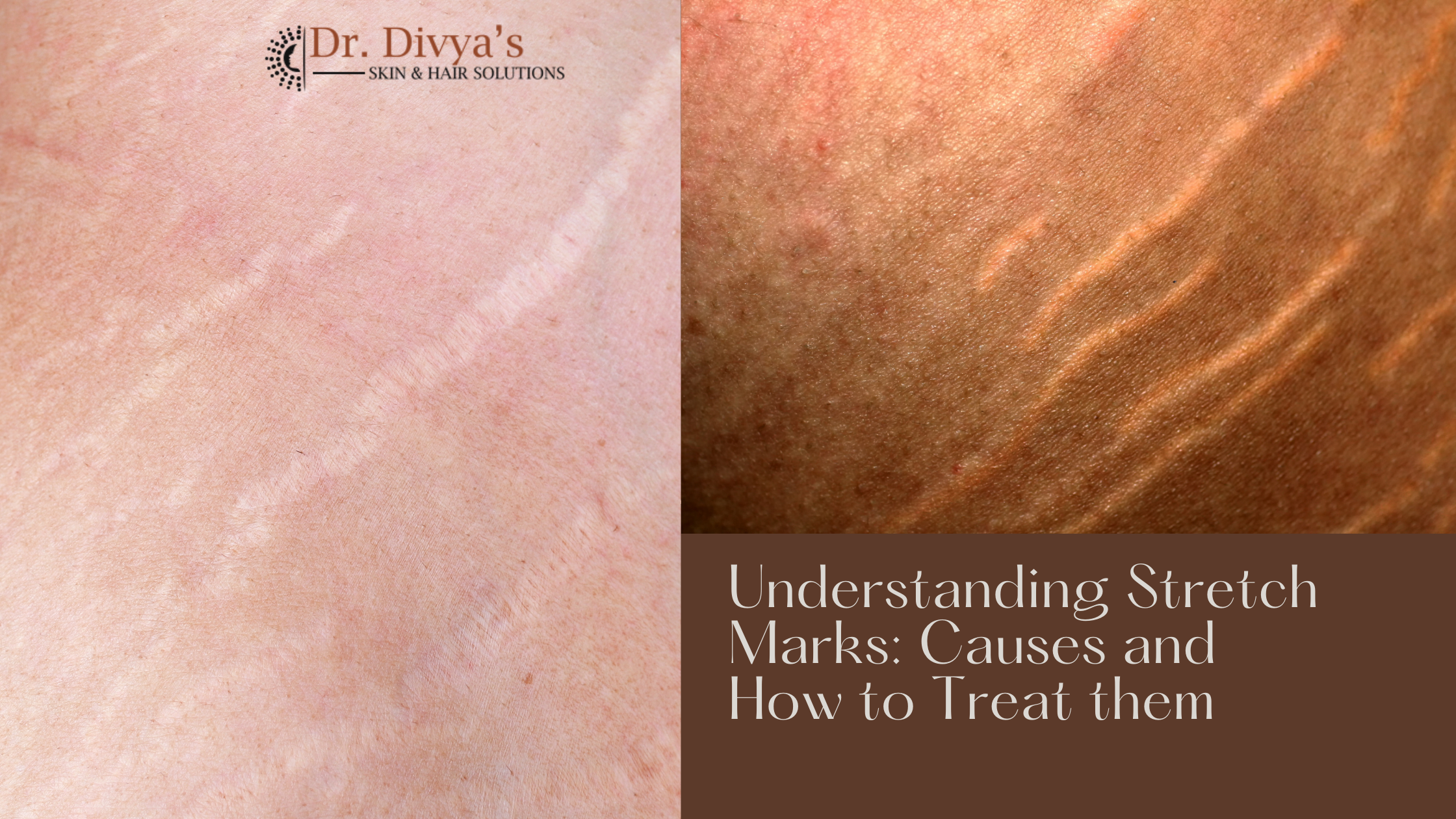
Stretch marks are a common skin concern that affects men and women of all ages. These streaks or lines often appear on the abdomen, thighs, hips, breasts, or arms, and can sometimes impact confidence and self-esteem. While they are harmless, many people seek effective ways to reduce their appearance and maintain smooth, healthy skin.
In this guide, we'll explore the causes of stretch marks, effective treatments, prevention tips, and expert advice to help you manage them effectively.
What Are Stretch Marks?
Stretch marks, also known as striae, occur when the skin is stretched rapidly, causing the dermis (the middle layer of the skin) to tear. Initially, they may appear red, purple, or dark brown, and over time, they fade to a lighter, silvery shade. Stretch marks are most common during periods of rapid growth or weight changes, pregnancy, or hormonal fluctuations.
Common Causes of Stretch Marks
Pregnancy: Rapid stretching of the abdomen and hormonal changes can lead to stretch marks, especially during the third trimester.
Rapid Weight Gain or Loss: Sudden changes in body weight stretch the skin, causing tears in the dermis.
Puberty: Teenagers may develop stretch marks during growth spurts on thighs, hips, or breasts.
Genetics: Family history can increase susceptibility to stretch marks.
Hormonal Imbalances : Increased levels of cortisol, a hormone that weakens skin elasticity, can contribute to stretch marks.
Certain Medications : Prolonged use of corticosteroids may reduce collagen in the skin, making it more prone to stretch marks.
Effective Treatments for Stretch Marks
While stretch marks are difficult to remove completely, several treatments can reduce their appearance and improve skin texture:
1. Topical Treatments
Tretinoin may help early (red) stretch marks, but retinoids must not be used during pregnancy or breastfeeding.
Hyaluronic acid and vitamin E creams moisturize and improve skin elasticity.
2. Laser Therapy
RF Microneedling and specialized lasers promote collagen regeneration, fading the color of stretch marks.
3. Microneedling
A minimally invasive procedure that triggers skin healing and reduces the depth and visibility of stretch marks.
4. Chemical Peels
Helps exfoliate the skin and encourages new skin growth, improving texture and tone.
Prevention Tips
- Maintain steady weight gain or loss.
- Moisturising may help comfort and itching, but there is no proven way to prevent stretch marks.
- Stay hydrated to maintain skin elasticity.
- Exercise regularly to improve circulation and skin health.
Conclusion
Stretch marks are a natural part of life for many people and do not indicate a health problem. However, with proper care, topical treatments, professional procedures, and healthy lifestyle choices, you can significantly reduce their appearance and improve your skin's texture. Remember, consistency and patience are key when treating stretch marks.
FAQs on Stretch Marks
1. Are stretch marks permanent?
Stretch marks typically fade over time from red or purple to silvery-white, but they rarely disappear completely. Treatments can help reduce their visibility.
2. Can men get stretch marks?
Yes, stretch marks are not gender-specific. Men may develop them due to rapid weight gain, bodybuilding, or growth spurts during puberty.
3. When should I consult a dermatologist for stretch marks?
If your stretch marks are extensive, painful, or you want faster, more noticeable results, a dermatologist can recommend laser treatments, microneedling, or chemical peels.