

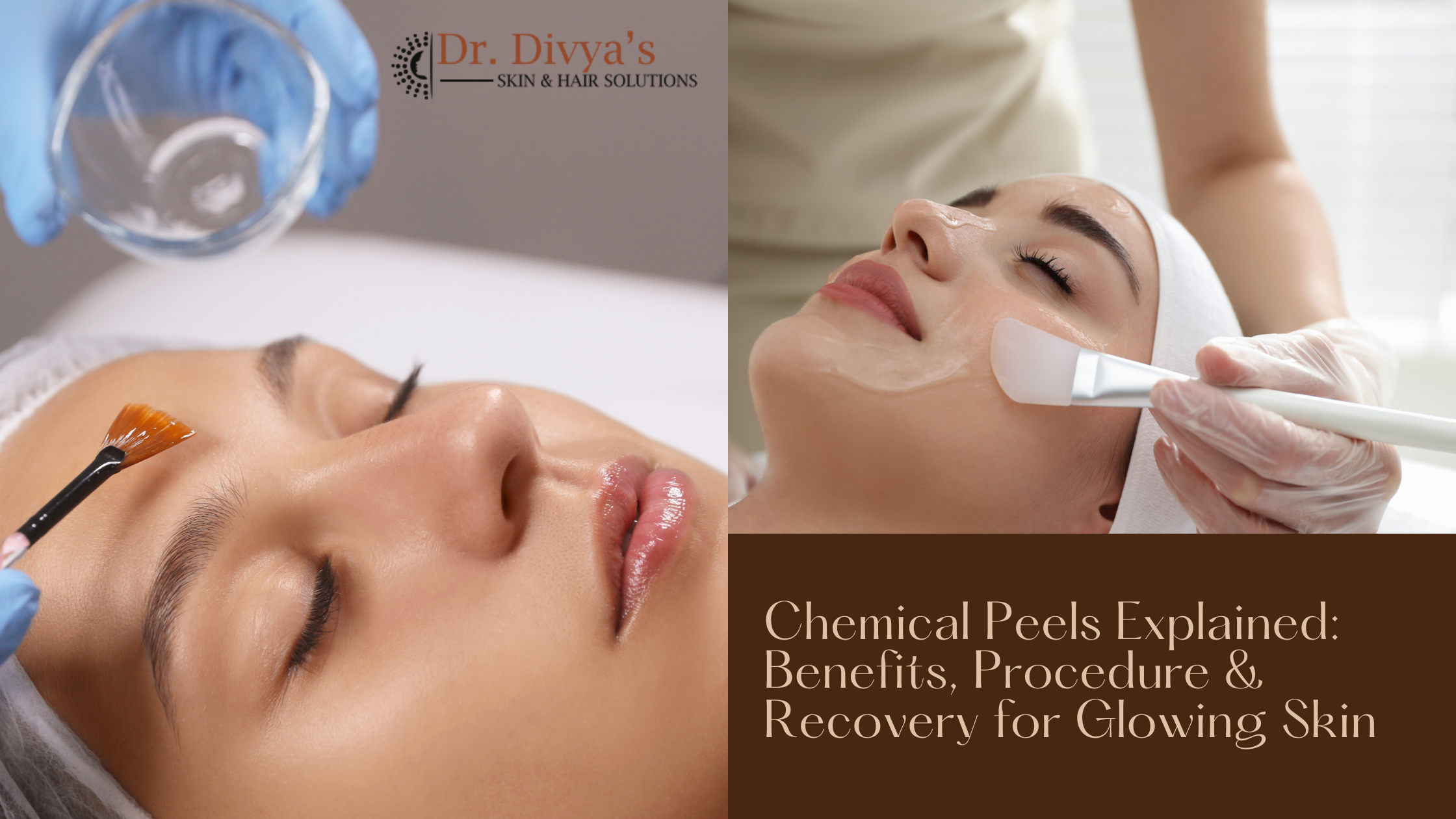
Chemical peels are a popular and effective way to refresh your skin by removing dead cells and revealing a brighter, smoother complexion underneath. Whether you want to reduce acne scars, tackle pigmentation, or smooth fine lines, this dermatological treatment has decades of clinical use, with the peel type and strength chosen to suit each skin type.
What Is a Chemical Peel?
A chemical peel involves applying a controlled chemical solution to your skin, which exfoliates and loosens the top layers. As the old, damaged skin peels away, newer, healthier skin replaces it, resulting in improved texture, tone, and radiance. There are three main types of peels – light, medium, and deep – each targeting different concerns and requiring variable recovery times.
Benefits You Can Expect
- Enhanced skin texture and tone with a fresh, glowing appearance
- Reduction in acne scars and pigmentation spots
- Smoother fine lines and wrinkles
- Smoother-looking skin texture and clearer skin
- Boost in collagen production for long-term skin vitality
How the Procedure Works
The process is straightforward. After a consultation to evaluate your skin and goals, your dermatologist cleanses your skin thoroughly. The chemical solution is then carefully applied to your face. You may feel a tingling or warming sensation, signaling the peel is working. Depending on the peel type, the solution may be neutralized after a few minutes. Your skin will begin to exfoliate and peel over the next few days to weeks.
Recovery and Aftercare
Recovery varies with peel depth. Light peels usually require minimal downtime with mild redness lasting a few days. Medium and deep peels involve more noticeable peeling, redness, and swelling, with recovery spanning up to several weeks. It’s crucial to:
- Keep your skin moisturized and hydrated
- Avoid picking the peeling skin to prevent scarring
- Protect your skin from sun exposure with high-SPF sunscreen
- Follow your dermatologist’s recommendations closely
Who Should Consider Chemical Peels?
Chemical peels are suitable for most skin types but are especially beneficial if you want to address:
- Acne scars and active acne
- Uneven skin tone and pigmentation
- Sun damage and age spots
- Fine lines and mild wrinkles
If you have sensitive skin or specific skin conditions, a dermatologist can help determine the safest type of peel for you.
Conclusion
Chemical peels offer a powerful way to rejuvenate your skin by tackling common concerns like uneven tone, texture issues, and signs of aging. With proper care and expert guidance, the results can be a smoother, brighter, and more youthful complexion that lasts. Whether you’re new to chemical peels or looking to enhance your skincare routine, this treatment can be tailored to suit your unique needs.
Take the first step toward glowing, healthy skin by booking a consultation with Dr. Divya Sharma today at Dr. Divya’s Skin & Hair Solutions.
Contact: +91 96206 38388 | info@drdivyasharma.com | www.drdivyasharma.com